What Went Wrong for Manchester United’s Tactics?

The Amorim Era at Old Trafford: A Tactical Post-Mortem
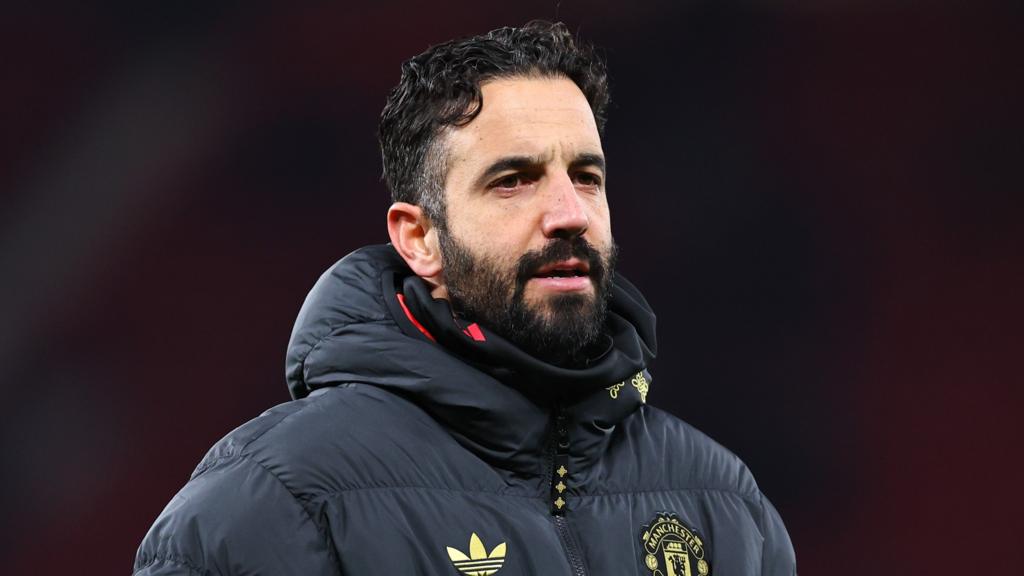
Ruben Amorim’s tenure as Manchester United manager has come to an abrupt end. While the club has yet to release an official statement detailing the precise reasons for his dismissal, speculation is rife that a combination of underwhelming results, tactical inflexibility, and a perceived disconnect with key players contributed to the decision. This analysis will delve into Amorim’s tactical approach at Manchester United, examine the factors that led to his downfall, and explore potential replacements who could revitalize the Red Devils.
Amorim’s Tactical Blueprint: A Promise Unfulfilled
Amorim arrived at Manchester United with a reputation for implementing a dynamic and aggressive style of play, largely based on the 3-4-3 formation that brought him success at Sporting CP. His philosophy centered around high pressing, quick transitions, and exploiting wide areas with overlapping wing-backs. However, translating this blueprint to the Premier League proved to be a significant challenge. Let’s break down the key components of his tactical approach and where they fell short:
- Defensive Structure: Amorim’s 3-4-3 relied heavily on a disciplined back three capable of playing out from the back. While individuals like Raphael Varane and Lisandro Martinez possessed the technical ability, inconsistencies in form and susceptibility to injuries hampered the team’s defensive stability. The lack of a consistently reliable defensive midfielder to shield the backline further exposed the vulnerabilities. For example, the team’s goals conceded record in the 2025/26 season was significantly worse than the previous season, showcasing the defensive issues. You can view the Premier League table to see the full picture.
- Midfield Dynamics: The double pivot in midfield was crucial for controlling the tempo and providing defensive cover. However, the pairing often lacked the required balance and dynamism. A combination of aging legs and a lack of tactical understanding led to the midfield being overrun by more agile and coordinated opponents. The struggles to control midfield battles were evident in games against Manchester City and Liverpool, where United were often outpassed and outmaneuvered. Check WhoScored for detailed match statistics.
- Attacking Play: Amorim aimed to unlock the attacking potential of players like Marcus Rashford, Jadon Sancho, and Anthony Martial through quick transitions and exploiting wide areas. However, the team struggled to consistently create clear-cut chances and often relied on individual brilliance rather than cohesive attacking patterns. The lack of a prolific goalscorer further compounded the problem, with the team often failing to convert promising attacks into goals. FBref provides detailed attacking stats for all players.
- High Pressing: Amorim’s signature high-pressing style proved to be inconsistent. While the team showed glimpses of its effectiveness, a lack of coordination and intensity often left them vulnerable to counter-attacks. Opponents were able to bypass the press with relative ease, exposing the defensive frailties behind.
Factors Contributing to Amorim’s Downfall
Several factors contributed to Amorim’s premature departure from Manchester United:
- Underwhelming Results: Ultimately, the most significant factor was the team’s underwhelming performance in the Premier League and other competitions. Failure to consistently challenge for the title and secure Champions League qualification put immense pressure on Amorim.
- Tactical Inflexibility: Amorim’s insistence on the 3-4-3 formation, even when it was clearly not working, proved to be a major criticism. His inability to adapt his tactics to suit different opponents and address the team’s weaknesses cost United valuable points.
- Player Dis Reports of player discontent and a lack of buy-in to Amorim’s methods surfaced in the media. The manager’s inability to effectively manage the egos and personalities within the squad created a toxic atmosphere.
- Recruitment Missteps: While Amorim undoubtedly had a say in player recruitment, some of the signings failed to live up to expectations. The integration of new players into the team proved to be a slow and challenging process.
- Comparison to Past Managers: The shadow of Sir Alex Ferguson still looms large at Old Trafford. Every manager is inevitably compared to the legendary Scot, and Amorim struggled to live up to the high expectations.
Potential Replacements: Who Can Revitalize Manchester United?
The Manchester United hierarchy will now be looking for a manager who can bring stability, tactical acumen, and a winning mentality to Old Trafford. Here are some potential candidates:
- Erik ten Hag: A familiar face. While his time at United ended before Amorim’s arrival, Ten Hag’s proven track record of building successful teams and implementing a clear tactical identity makes him a strong contender. His experience in the Premier League would be a significant advantage.
- Mauricio Pochettino: Pochettino has long been linked with the Manchester United job. His high-pressing, attacking style of play and ability to develop young players would be a good fit for the club. However, concerns remain about his trophy record.
- Thomas Tuchel: Tuchel is a proven winner with experience at some of Europe’s biggest clubs. His tactical flexibility and ability to motivate players would be valuable assets. However, his demanding personality could potentially clash with the club’s hierarchy.
- Zinedine Zidane: Zidane’s impressive record in the Champions League makes him an appealing option. However, questions remain about his tactical depth and ability to build a team from the ground up.
- Julian Nagelsmann: A young and innovative coach, Nagelsmann has a reputation for implementing cutting-edge tactics and developing young players. However, his lack of experience in the Premier League could be a disadvantage.
The Road Ahead: A Crucial Appointment for Manchester United
The appointment of the next Manchester United manager is a crucial decision that will shape the club’s future for years to come. The new manager will need to address the team’s tactical deficiencies, instill a winning mentality, and create a cohesive and harmonious squad. The pressure will be immense, but the rewards for success at Old Trafford are unparalleled. The club needs a manager who understands the history and tradition of Manchester United while also possessing the vision and tactical expertise to lead the team back to the top of English and European football. The official Manchester United website will likely have the latest news.
FAQ Section
Q: Why was Ruben Amorim sacked by Manchester United?
A: The primary reasons cited are underwhelming results, tactical inflexibility, player discontent, and a failure to meet the club’s expectations for Premier League and Champions League performance.
Q: What tactical approach did Ruben Amorim implement at Manchester United?
A: Amorim primarily used a 3-4-3 formation, emphasizing high pressing, quick transitions, and exploiting wide areas with overlapping wing-backs. However, this system struggled to translate effectively to the Premier League.
Q: Who are the potential replacements for Ruben Amorim at Manchester United?
A: Potential replacements include Erik ten Hag, Mauricio Pochettino, Thomas Tuchel, Zinedine Zidane, and Julian Nagelsmann. Each candidate brings a unique set of skills and experience to the table.
Q: What are the key challenges facing the next Manchester United manager?
A: The next manager will need to address tactical deficiencies, instill a winning mentality, manage player egos, create a cohesive squad, and navigate the immense pressure of managing a club with such high expectations.
Q: What are Manchester United’s main weaknesses that need to be addressed?
A: Key weaknesses include defensive instability, a lack of midfield control, inconsistent attacking output, and a failure to effectively implement a high-pressing system.
Q: What qualities should Manchester United look for in their next manager?
A: Manchester United should look for a manager with a proven track record of success, tactical acumen, strong leadership skills, the ability to develop young players, and a deep understanding of the club’s history and traditions.
Q: How important is this managerial appointment for Manchester United’s future?
A: This appointment is crucial. The next manager will be instrumental in shaping the club’s future, determining whether Manchester United can return to its former glory and compete for major trophies.
Q: What impact did player discontent have on Amorim’s tenure?
A: Reports of player discontent significantly undermined Amorim’s authority and created a negative atmosphere within the squad. A lack of buy-in from key players made it difficult to implement his tactical vision and achieve consistent results.