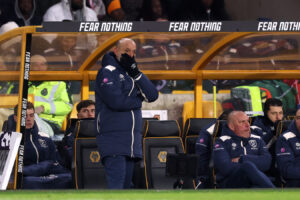
Unpacking Wilfried Nancy’s Tactical Failures and the Future Ahead

Celtic’s Tactical Tumble: Analyzing Nancy’s Downfall and What’s Next
Wilfried Nancy’s tenure at Celtic has come to an abrupt end after a calamitous month that saw the club’s title hopes take a significant hit. While attributing blame solely to one individual is rarely accurate, a deep dive into Celtic’s tactical setup under Nancy reveals several key areas of concern that contributed to his downfall. This analysis will explore those tactical shortcomings, examine the impact on player performance, and consider the potential paths forward for the Glasgow giants.

The Defensive Deficiencies: A Leaky Ship
Perhaps the most glaring issue during Nancy’s reign was Celtic’s defensive fragility. The team conceded an alarming number of goals in recent weeks, often looking disorganized and vulnerable to counter-attacks. This wasn’t simply a matter of individual errors, although those certainly played a part. The underlying tactical structure was flawed, leaving the defense exposed. Nancy favored a high defensive line, aiming to compress the space in the opponent’s half and win the ball back quickly. However, this approach requires exceptional coordination, pace, and anticipation from the defenders – qualities that were often lacking.
Specifically, the full-backs were frequently caught too high up the pitch, leaving large gaps in behind. Opponents exploited this space with direct balls and quick transitions, creating numerous scoring opportunities. The central defenders, often lacking the necessary pace to recover, were left isolated and vulnerable. The lack of a consistently effective defensive midfielder to shield the back four further exacerbated the problem. Players like Callum McGregor, while excellent in possession, often struggled to provide the necessary defensive cover, leaving the team susceptible to counter-attacks through the middle.
Data from WhoScored.com highlights the dramatic increase in goals conceded during Nancy’s final month compared to the start of the season. Furthermore, the number of shots faced per game also increased significantly, indicating a clear weakening of the defensive structure.
Attacking Anemia: Creativity Curbed?
While Celtic’s defensive woes were the most obvious problem, their attacking output also suffered under Nancy. The team struggled to create clear-cut chances, often relying on individual brilliance rather than cohesive attacking patterns. The emphasis on possession-based football, while aesthetically pleasing at times, often lacked penetration and urgency. Celtic dominated possession in many games but failed to translate that dominance into goals.
One key issue was the lack of movement and dynamism in the final third. Players often seemed static and predictable, making it easy for defenders to mark them. The wide players, typically a source of creativity and attacking threat, were often isolated and struggled to beat their markers. The central striker, whether it was Kyogo Furuhashi or another option, often lacked service and found himself starved of opportunities.
Nancy’s tactical setup seemed to stifle the creativity of key players. The rigid positional play and lack of freedom in the attacking third limited their ability to express themselves and make instinctive decisions. This resulted in a predictable and often ineffective attacking display.
Midfield Muddle: The Engine Room Mis-firing
The midfield, the engine room of any successful team, also struggled to function effectively under Nancy. The balance between defensive solidity and attacking creativity was often lacking. As mentioned earlier, the defensive midfielder often failed to provide adequate cover for the back four, leaving the team vulnerable to counter-attacks. Furthermore, the midfielders struggled to dictate the tempo of the game and control possession effectively.
The lack of a dominant, box-to-box midfielder who could win tackles, intercept passes, and contribute to the attack was a significant weakness. While Celtic possessed technically gifted players in midfield, they lacked the physicality and dynamism to compete effectively against more robust opponents. This resulted in a midfield that was often outmuscled and outmaneuvered.
Examining player statistics on Transfermarkt.com reveals a decline in key passing accuracy and successful tackles in the midfield during Nancy’s final month, further highlighting the issues in this crucial area of the pitch.
Player Positioning and Tactical Flexibility
Another contributing factor to Nancy’s downfall was the perceived lack of tactical flexibility. He often stuck to his preferred 4-3-3 formation, even when it was clear that it wasn’t working. This rigidity made it easy for opponents to prepare and nullify Celtic’s attacking threat. The lack of alternative formations and tactical approaches left the team predictable and vulnerable.
Furthermore, the player positioning within the 4-3-3 formation was often questionable. Players were sometimes deployed in unfamiliar roles, and the overall team shape lacked cohesion. This resulted in a disjointed performance and a lack of understanding between players. The inability to adapt to different opponents and game situations ultimately proved to be Nancy’s undoing.
What’s Next for Celtic?
The sacking of Wilfried Nancy leaves Celtic in a precarious position. The club needs to act quickly to appoint a new manager who can stabilize the team, address the defensive deficiencies, and reignite the attacking spark. The new manager will need to be tactically astute, capable of motivating the players, and able to implement a clear and effective game plan.
Several potential candidates have been linked with the job, including experienced managers with a proven track record of success. The key for Celtic will be to find a manager who can quickly turn things around and restore the team’s confidence. The Scottish Premiership title race is far from over, and Celtic still have a chance to salvage their season. However, they need to make the right appointment and address the tactical issues that plagued them under Nancy.
The Scottish FA website will be closely monitored for updates regarding Celtic’s managerial search and any potential tactical changes implemented by the new coach.
Frequently Asked Questions
-
Why was Wilfried Nancy sacked by Celtic?
Wilfried Nancy was sacked due to a significant decline in performance, particularly defensively, leading to a series of poor results and jeopardizing the club’s title aspirations. His tactical approach was deemed ineffective, leading to defensive vulnerabilities and attacking struggles.
-
What were the main tactical issues under Nancy?
The main tactical issues included a leaky defense due to a high defensive line and exposed full-backs, a lack of creativity and dynamism in attack, a struggling midfield lacking balance, and a perceived lack of tactical flexibility.
-
Who are the potential replacements for Nancy?
Several managers have been linked with the Celtic job, including experienced coaches with a proven track record. The club is looking for someone who can quickly stabilize the team and implement a clear tactical vision.
-
How did Nancy’s tactics impact key players?
Nancy’s rigid tactical setup seemed to stifle the creativity of key players, limiting their ability to express themselves and make instinctive decisions. The defensive vulnerabilities also put pressure on the attacking players to constantly outscore the opposition.
-
What changes can Celtic fans expect to see with the new manager?
Celtic fans can expect to see a renewed focus on defensive solidity, improved attacking patterns, and a more flexible tactical approach. The new manager will likely prioritize addressing the team’s weaknesses and restoring confidence among the players.
-
Where can I find official updates from Celtic FC?
Official updates from Celtic FC can be found on their official website: CelticFC.com.