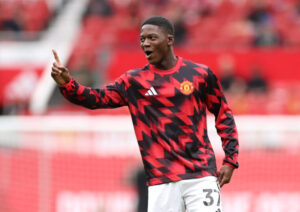
Could Marcus Rashford Make a Tactical Comeback at Manchester United? Insights on His Potential Return

Marcus Rashford: A Tactical Re-Evaluation for a United Return
The whispers have started: could Marcus Rashford, currently plying his trade away from Old Trafford, find a way back into Erik ten Hag’s Manchester United squad? While speculation is rife, a purely emotional return is unlikely. Ten Hag demands tactical fit, and a Rashford return hinges on his ability to adapt and address areas where he previously fell short. This analysis delves into the tactical nuances of Rashford’s game, highlighting potential improvements and how he could integrate into United’s current system.
Understanding Rashford’s Strengths: A Foundation to Build Upon
Rashford’s raw talent has never been in question. His blistering pace, direct dribbling, and powerful shot remain potent weapons. Historically, his best performances have come when deployed on the left wing, cutting inside onto his stronger right foot. Transfermarkt data consistently shows a higher goal and assist output from this position. However, relying solely on these attributes is insufficient in a Ten Hag team. To become a truly impactful player, Rashford needs to refine the tactical aspects of his game.
One of Rashford’s key strengths lies in his ability to exploit space in behind the defense. His pace allows him to latch onto through balls and create one-on-one opportunities. When deployed effectively, this can stretch opposing defenses, creating space for other attackers and midfielders. However, this relies on accurate passing and coordinated movement from his teammates, something that has been inconsistent throughout his career at United.
Areas for Improvement: The Tactical Imperatives
To thrive under Ten Hag, Rashford must address several key areas:
1. Off-Ball Movement and Positioning:
This is arguably the most crucial aspect. Simply running fast isn’t enough. Rashford needs to develop a deeper understanding of spatial awareness and timing his runs effectively. He needs to learn to read the game better, anticipating defensive movements and positioning himself to receive the ball in dangerous areas. This includes:
- Making runs in behind at the right moment: Avoiding being caught offside and timing his runs to coincide with through balls.
- Drifting infield to create overloads: Recognizing when to move inside to support the midfield and create numerical advantages.
- Exploiting the half-spaces: Finding pockets of space between the lines to receive the ball and turn towards goal.
2. Pressing and Defensive Contribution:
Ten Hag demands that all his players contribute defensively, and Rashford’s pressing has often been criticized. He needs to improve his work rate off the ball, actively participating in the team’s pressing structure. This involves:
- Understanding pressing triggers: Knowing when and how to initiate the press, based on the opponent’s positioning and passing patterns.
- Maintaining pressing intensity: Consistently applying pressure to force turnovers and win back possession.
- Tracking back and supporting the full-back: Providing defensive cover on the flanks and preventing the opposition from exploiting space.
3. Finishing and Decision-Making in the Final Third:
While Rashford possesses a powerful shot, his finishing can be inconsistent. He needs to improve his composure in front of goal and make better decisions about when to shoot, pass, or dribble. This includes:
- Developing a wider range of finishing techniques: Improving his ability to score with both feet and his head.
- Taking fewer low-percentage shots: Selecting better shooting opportunities and avoiding forcing shots from difficult angles.
- Improving his passing accuracy in the final third: Delivering accurate passes to create scoring chances for his teammates.
4. Tactical Discipline and Positional Play:
Rashford sometimes drifts from his assigned position, disrupting the team’s shape and making it difficult to maintain defensive stability. He needs to improve his tactical discipline and adhere to the manager’s instructions. This involves:
- Maintaining his position on the left wing: Staying wide to stretch the defense and provide width to the attack.
- Tracking back to support the full-back: Providing defensive cover and preventing the opposition from exploiting space on the flank.
- Understanding his role in the team’s overall tactical plan: Knowing his responsibilities in both attack and defense.
The “Poacher” Role: A Potential Niche for Rashford?
An alternative pathway back to United could involve Rashford adapting to a more central, “poacher” role. This would leverage his pace and finishing ability while minimizing his defensive responsibilities. In this role, his primary focus would be on making runs in behind the defense and converting scoring opportunities inside the penalty area. While this might seem a departure from his traditional winger role, it could be a valuable asset for a team lacking a natural goalscorer. WhoScored.com data can be analyzed to see his conversion rate from different areas of the pitch to see if this is a viable option.
However, even in this role, tactical awareness is crucial. He would need to understand the timing of runs, anticipate crosses and through balls, and be clinical in front of goal. He would also need to develop a good understanding with his teammates, coordinating his movement with their passes and runs.
Integrating into Ten Hag’s System: A Focus on Attacking Transitions
Ten Hag’s Manchester United thrives on quick attacking transitions, winning the ball back high up the pitch and launching rapid counter-attacks. Rashford’s pace and directness could be valuable assets in this system, but only if he can improve his decision-making and link-up play. He needs to be able to quickly identify passing options, make intelligent runs, and deliver accurate passes to his teammates.
Furthermore, he needs to be able to contribute to the team’s pressing game, winning the ball back and disrupting the opposition’s build-up play. This requires a high level of work rate and tactical awareness, something that Rashford has struggled with in the past.
The Road Ahead: Hard Work and Tactical Adaptation
Ultimately, whether Marcus Rashford can find his way back to Manchester United depends on his willingness to adapt and improve. He needs to embrace the tactical demands of modern football, refine his off-ball movement, improve his pressing, and develop a greater understanding of the game. While his natural talent is undeniable, it is his tactical intelligence and work ethic that will determine his future. If he can demonstrate a commitment to these areas, a return to Old Trafford is not beyond the realms of possibility. But without it, the door will likely remain closed.
FAQ: Marcus Rashford’s Potential Manchester United Return
What are Marcus Rashford’s main strengths as a player?
Rashford’s key strengths include his blistering pace, direct dribbling, and powerful shot. He is particularly effective when deployed on the left wing, cutting inside onto his right foot. He also excels at exploiting space in behind the defense with his pace.
What areas does Rashford need to improve to fit into Erik ten Hag’s system?
Rashford needs to improve his off-ball movement and positioning, pressing and defensive contribution, finishing and decision-making in the final third, and tactical discipline and positional play.
Could Rashford play in a different position to facilitate a return to United?
Yes, a potential option could be for Rashford to adapt to a more central, “poacher” role, focusing on making runs in behind the defense and converting scoring opportunities inside the penalty area.
How important is pressing in Ten Hag’s tactical approach?
Pressing is extremely important in Ten Hag’s tactical approach. He demands that all his players contribute defensively, actively participating in the team’s pressing structure to win back possession and disrupt the opposition’s build-up play.
What are the key tactical elements Rashford needs to master for a United return?
The key tactical elements include understanding pressing triggers, maintaining pressing intensity, improving passing accuracy in the final third, making runs in behind at the right moment, and exploiting the half-spaces.