Tactical Insights from the Africa Cup of Nations Showdown Against Mali

Senegal Edges Past Mali: A Deep Dive into the Tactical Nuances
Senegal secured a hard-fought 1-0 victory against Mali in their recent Africa Cup of Nations clash, with Iliman Ndiaye’s goal proving the difference. While the scoreline suggests a tight contest, a closer examination reveals a fascinating tactical battle between Aliou Cissé’s Senegal and Éric Chelle’s Mali. This analysis will dissect the key tactical decisions, formations, and individual performances that shaped the outcome of the match.

Formations and Initial Set-ups
Senegal, the reigning champions, typically favor a 4-3-3 formation, aiming to control possession and utilize the pace and skill of their attacking players. Against Mali, they largely adhered to this structure, with a midfield trio designed to win the ball back quickly and transition into attack. Their full-backs provide width, supporting the wingers and creating overlapping opportunities. On the other hand, Mali often employs a more pragmatic approach, frequently lining up in a 4-2-3-1 or a 4-4-2, prioritizing defensive solidity and looking to exploit counter-attacking opportunities. Against Senegal, they opted for a 4-4-2, aiming to stifle Senegal’s midfield creativity and hit them on the break.
Midfield Dominance: Senegal’s Key to Victory
The midfield battle was crucial in determining the flow of the game. Senegal’s midfield trio, typically composed of players known for their energy, tackling ability, and passing range, aimed to outnumber and outmaneuver Mali’s central pairing. The Senegalese midfielders pressed high, disrupting Mali’s attempts to build from the back and forcing them into long balls. This high press was instrumental in winning back possession in dangerous areas and launching quick attacks. Senegal’s central players constantly looked to intercept passes and break up play, preventing Mali from establishing any sustained period of dominance in the middle of the park. Furthermore, their ability to dictate the tempo of the game, switching between patient build-up play and quick transitions, proved difficult for Mali to handle.
Mali’s Defensive Structure and Counter-attacking Intent
Knowing Senegal’s attacking prowess, Mali focused on maintaining a compact defensive shape. Their two banks of four aimed to deny Senegal space in the final third and force them to play around the outside. The two central midfielders worked tirelessly to shield the back four and track the runs of Senegal’s attacking midfielders. However, their defensive approach often resulted in them sitting too deep, allowing Senegal to control possession for extended periods. When Mali won the ball back, their primary objective was to launch quick counter-attacks, utilizing the pace of their wingers and the movement of their forwards. However, Senegal’s well-organized defense and quick recovery runs often thwarted these attempts. The lack of a consistent outlet up front also hampered Mali’s ability to relieve pressure and maintain possession in the opposition’s half.
Iliman Ndiaye’s Decisive Impact
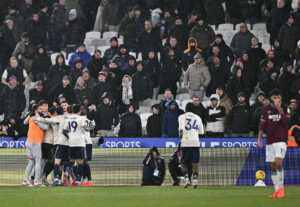
Iliman Ndiaye’s goal proved to be the decisive moment in the match. The Everton forward showcased his clinical finishing ability, capitalizing on a well-worked attacking move. His movement off the ball was a constant threat to the Mali defense, and his ability to find space in crowded areas was crucial in creating the opportunity for the goal. Beyond his goal-scoring contribution, Ndiaye’s work rate and willingness to press the opposition defense were also important factors in Senegal’s victory. His energy and determination set the tone for the team and helped to disrupt Mali’s defensive structure. Ndiaye’s performance highlighted his importance to the Senegal team and his ability to make a difference in crucial moments.
Senegal’s Attacking Strategies and Mali’s Response
Senegal’s attacking strategy revolved around utilizing the width of the pitch and creating overloads in the final third. Their full-backs pushed high up the field, providing support to the wingers and creating crossing opportunities. The attacking midfielders made intelligent runs in behind the defense, looking to exploit any gaps in Mali’s backline. Senegal also looked to utilize quick combinations and one-touch passing to break down Mali’s organized defense. Mali, in response, attempted to double-team Senegal’s key attacking players and deny them space to operate. They also focused on winning the aerial duels and clearing their lines effectively. However, their defensive efforts were often stretched by Senegal’s relentless attacking pressure, eventually leading to Ndiaye’s decisive goal.
Key Battles and Individual Performances
Several individual battles played a significant role in shaping the outcome of the match. The contest between Senegal’s central midfielders and Mali’s defensive midfielders was a key area of contention. The Senegal players’ ability to win tackles and intercept passes gave their team a crucial advantage in midfield. Furthermore, the battle between Senegal’s wingers and Mali’s full-backs was also a compelling aspect of the game. The Senegalese wingers’ pace and trickery caused problems for the Mali defense, while the Mali full-backs worked hard to contain their threat. Individually, players like Kalidou Koulibaly in defense for Senegal and Amadou Haidara in midfield for Mali put in strong performances, showcasing their quality and experience. Koulibaly’s leadership and defensive solidity were crucial in keeping Mali’s attack at bay, while Haidara’s energy and work rate helped to disrupt Senegal’s midfield flow.
Aliou Cissé’s Tactical Acumen vs. Éric Chelle’s Pragmatism
The tactical battle between the two managers, Aliou Cissé and Éric Chelle, was evident throughout the match. Cissé’s decision to stick with his preferred 4-3-3 formation and trust in his players’ attacking abilities ultimately paid off. His tactical flexibility, making subtle adjustments to his team’s shape and approach, helped Senegal to maintain control of the game. Chelle’s more pragmatic approach, focusing on defensive solidity and counter-attacking opportunities, proved difficult for Senegal to break down for long periods. However, his team’s lack of attacking threat and inability to sustain possession ultimately cost them the game. Cissé’s tactical acumen and his players’ ability to execute his game plan effectively were key factors in Senegal’s victory.
Second-Half Adjustments and Game Management
Both managers made tactical adjustments in the second half to try and gain an advantage. Senegal looked to increase their tempo and press even higher up the pitch, aiming to force Mali into mistakes. They also introduced fresh legs in the attacking third, hoping to inject more pace and creativity into their play. Mali, on the other hand, looked to tighten up their defense and become even more compact, hoping to frustrate Senegal and hit them on the counter-attack. They also made substitutions to try and add more energy and attacking threat to their team. In the closing stages of the game, Senegal showed their experience and game management skills, controlling possession and running down the clock. They defended resolutely and denied Mali any clear-cut chances, securing a valuable victory in the Africa Cup of Nations.
Conclusion: Senegal’s Efficiency Secures the Points
In conclusion, Senegal’s 1-0 victory over Mali was a hard-earned triumph achieved through tactical discipline, individual brilliance, and effective game management. While Mali’s defensive resilience made them a difficult opponent to break down, Senegal’s midfield dominance, attacking strategies, and Iliman Ndiaye’s decisive goal ultimately proved to be the difference. The match highlighted the tactical complexities of modern football and the importance of having a clear game plan and the players to execute it effectively. Senegal’s victory strengthens their position in the group and sets them up well for the remainder of the tournament.
FAQ
What formation did Senegal primarily use in the match against Mali?
Senegal primarily used a 4-3-3 formation, which is their typical setup. This formation allows them to control possession, utilize the pace of their wingers, and maintain a solid defensive structure.
What was Mali’s main tactical approach in the game?
Mali adopted a more pragmatic approach, typically lining up in a 4-4-2 formation. Their main focus was on defensive solidity, aiming to stifle Senegal’s midfield and exploit counter-attacking opportunities.
Who scored the winning goal for Senegal, and how did it impact the game?
Iliman Ndiaye scored the winning goal for Senegal. His goal was crucial as it broke the deadlock in a tight match and ultimately secured the victory for his team. His movement and finishing ability proved to be the difference.
How did Senegal’s midfield contribute to their victory?
Senegal’s midfield played a crucial role in their victory by dominating the midfield battle. They pressed high, disrupted Mali’s build-up play, and won back possession in dangerous areas. Their ability to control the tempo of the game and dictate play was key.
What tactical adjustments did the managers make in the second half?
In the second half, Senegal increased their tempo and pressed higher, while Mali tightened their defense and looked for counter-attacking opportunities. Both managers made substitutions to inject fresh energy and attacking threat into their respective teams, but Senegal’s game management ultimately secured the win.