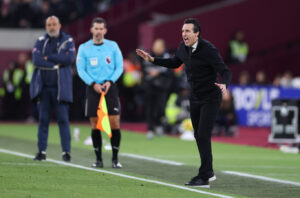
Is Thomas Frank the Right Fit? Analyzing His Tactical Rigidity as Tottenham’s Next Manager

The managerial merry-go-round is a constant fixture in the Premier League, and with Tottenham Hotspur’s future ambitions hanging in the balance, the potential appointment of any new manager is subject to intense scrutiny. While Thomas Frank has undoubtedly impressed during his tenure at Brentford, a deeper look into his tactical approach reveals a concerning trend: a rigidity that could stifle Tottenham’s growth and prevent them from reaching their full potential. This analysis will delve into the specifics of Frank’s tactics, highlighting the areas where his approach might clash with the dynamic, attacking football that Tottenham fans crave and that Ange Postecoglou initially instilled.

Brentford’s Strengths Under Frank: A Foundation Built on Structure
Thomas Frank’s success at Brentford is undeniable. He guided them from the Championship to the Premier League and has consistently kept them competitive against financially stronger opponents. This achievement is largely attributable to a well-defined tactical framework built upon a solid defensive foundation and exploiting set-piece opportunities. Brentford typically employs a 3-5-2 or 5-3-2 formation, prioritizing defensive stability and compactness. This allows them to absorb pressure and frustrate opponents, particularly those who struggle to break down well-organized defenses. Their defensive record, while not always spectacular, is consistently respectable, a testament to the team’s discipline and work rate. Key to this defensive structure is the utilization of three center-backs who are comfortable both in the air and on the ground, providing a physical presence and aerial dominance in their own box. The wing-backs play a crucial role in providing width and tracking back diligently to form a five-man defensive line when out of possession.
Furthermore, Brentford has become renowned for its effectiveness from set pieces. Frank has clearly dedicated significant time and resources to developing intricate routines that exploit weaknesses in opposition defenses. Their ability to score from corners, free-kicks, and throw-ins has been a significant source of goals, often proving the difference in tight matches. This focus on set pieces provides a valuable Plan B when their attacking play from open play is stifled.
The Shadow Side: Tactical Limitations and Predictability
However, beneath the surface of Brentford’s success lies a concerning lack of tactical flexibility. While Frank’s rigid adherence to his favored formation and game plan has brought stability, it also makes Brentford predictable and vulnerable to teams that can effectively counter their specific strategies. Opponents who can match Brentford’s physicality, nullify their set-piece threat, and exploit the space behind their wing-backs have often found success against them. This predictability is a significant concern, especially when considering the higher expectations and demands placed upon a club like Tottenham.
One of the main criticisms leveled against Frank’s Brentford is their reliance on direct football. While effective in certain situations, this approach can often lead to a lack of creativity and fluidity in attack. Brentford often struggles to break down deep-lying defenses that deny them space in behind. Their attacking play often relies on long balls and quick transitions, which can be easily disrupted by well-organized teams. This lack of a more intricate passing game and inability to consistently create chances through sustained possession is a major drawback.
Another area of concern is Frank’s reluctance to deviate from his established tactics, even when facing different opponents or when his initial plan is clearly not working. This inflexibility can be detrimental, as it limits Brentford’s ability to adapt and react to changing circumstances within a match. Top managers are known for their ability to make tactical adjustments mid-game, but Frank’s approach often appears more rigid and less responsive.
Tottenham’s Tactical Identity: A Clash of Philosophies?
Tottenham Hotspur, under the initial guidance of Ange Postecoglou, had begun to develop a distinct tactical identity centered around attacking football, high pressing, and dominating possession. While the season has seen its ups and downs, the underlying philosophy of playing proactive, entertaining football remains a core principle. This approach demands a manager who is willing to embrace risk, encourage creativity, and empower players to express themselves on the pitch. The initial spark of ‘Ange-ball’ was exciting for Spurs fans, but the team’s consistency and defensive vulnerabilities became points of concern.
The potential appointment of Thomas Frank, with his more pragmatic and structured approach, represents a significant departure from this philosophy. While defensive solidity is undoubtedly important, Tottenham fans expect more than just a well-organized defense. They crave attacking flair, creative midfielders, and a team that is capable of taking the game to the opposition. Frank’s tactical rigidity and reliance on direct football could stifle the creativity of Tottenham’s attacking players and lead to a more conservative and less exciting brand of football. Players like Son Heung-min, James Maddison, and Dejan Kulusevski thrive in a system that encourages attacking freedom and allows them to express their individual talents. A more structured and defensively-oriented approach could limit their effectiveness and ultimately hinder Tottenham’s attacking potential.
Furthermore, Tottenham’s squad is largely composed of players who are comfortable on the ball and capable of playing a possession-based game. Imposing a direct style of play could be a mismatch for the squad’s strengths and lead to a decline in performance. The squad invested in by Spurs is built for a more expansive style of play, and shoehorning them into a rigid system could prove counterproductive.
Specific Tactical Concerns: A Deeper Dive
To further illustrate the potential clash between Frank’s tactics and Tottenham’s aspirations, let’s examine some specific tactical concerns:
* **Pressing Intensity:** Postecoglou’s Tottenham initially implemented a high-pressing system, aiming to win the ball back quickly in the opponent’s half. Brentford, under Frank, typically adopts a more conservative pressing approach, focusing on maintaining a compact defensive shape and denying space in central areas. This difference in pressing intensity could lead to a less proactive and less aggressive defensive approach at Tottenham.
* **Attacking Transitions:** Tottenham’s attacking transitions are often characterized by quick passing combinations and dynamic movement. Brentford, on the other hand, tends to rely on longer balls and direct runs in transition. This difference in attacking style could result in a less fluid and less creative attacking game at Tottenham.
* **Midfield Creativity:** Tottenham’s midfield is typically tasked with creating chances and dictating the tempo of the game. Brentford’s midfield, while hardworking and disciplined, often lacks the same level of creativity and technical ability. This could lead to a less inventive and less dynamic midfield at Tottenham.
* **Full-Back Role:** Tottenham’s full-backs are expected to contribute significantly to the attack, providing width and delivering crosses into the box. Brentford’s wing-backs, while defensively solid, often prioritize defensive duties over attacking contributions. This could result in a less adventurous and less attacking full-back play at Tottenham.
The Importance of Adaptability in Modern Football
In the modern game, tactical adaptability is paramount. The ability to adjust formations, strategies, and player roles based on the opponent and the match situation is a crucial attribute for any successful manager. Frank’s perceived rigidity in this area raises serious questions about his suitability for a club like Tottenham, where expectations are high and the margin for error is slim. While his success at Brentford is commendable, it is important to recognize that the challenges and demands at a club with Tottenham’s resources and ambitions are significantly different.
Tottenham needs a manager who is not only tactically astute but also capable of inspiring players, fostering a positive team environment, and adapting to the ever-changing landscape of modern football. While Thomas Frank possesses some of these qualities, his tactical limitations and lack of flexibility could ultimately hinder Tottenham’s progress and prevent them from realizing their full potential. The club must carefully consider these factors before making any managerial appointment, as the wrong decision could have significant consequences for their future.
Ultimately, the decision of whether to appoint Thomas Frank rests with Tottenham’s board. However, a thorough examination of his tactical approach reveals a worrying trend of rigidity that could pose a significant threat to the club’s ambitious future. Tottenham fans crave exciting, attacking football, and Frank’s more pragmatic and structured approach may not be the best fit for the club’s culture and aspirations. The club needs a manager who can build upon the foundations laid by Postecoglou (however flawed) and take Tottenham to the next level, not someone who will potentially stifle their creativity and limit their attacking potential.
The Set-Piece Question: A Double-Edged Sword
While Brentford’s prowess from set-pieces is often lauded, relying heavily on them as a primary source of goals can be a risky strategy. Set-piece effectiveness can fluctuate, and relying too heavily on them can mask underlying issues in open play. While adding set-piece coaching to Spurs could be beneficial, it should not come at the expense of developing a more dynamic and creative attacking game. Tottenham needs a manager who can unlock the team’s attacking potential from open play, rather than relying solely on set-piece routines.
Conclusion: A Calculated Risk with Potential Downsides
Appointing Thomas Frank would be a calculated risk for Tottenham. While his organizational skills and defensive acumen are undeniable, his tactical rigidity and potential mismatch with the club’s attacking philosophy raise serious concerns. Tottenham needs a manager who can build upon the foundations of attacking football, not someone who will potentially revert to a more conservative and less exciting style of play. The club must carefully weigh the potential benefits against the potential downsides before making a final decision. The future of Tottenham Hotspur depends on it.
FAQ
Would Thomas Frank be a good fit for Tottenham Hotspur?
That’s a complex question. Frank has proven his ability to build a well-organized and competitive team at Brentford. However, his tactical rigidity and preference for a more direct style of play might clash with Tottenham’s desire for attacking football and a possession-based approach. It depends on whether Tottenham is willing to compromise on its attacking philosophy in favor of greater defensive stability.
What are Thomas Frank’s main strengths as a manager?
Frank’s main strengths lie in his ability to organize a team defensively, instill discipline, and maximize set-piece opportunities. He is also known for his man-management skills and his ability to create a strong team spirit. His tactical acumen in building a strong defensive wall is also a strong point.
What are Thomas Frank’s main weaknesses as a manager?
Frank’s main weaknesses include his tactical rigidity, his reluctance to deviate from his established game plan, and his reliance on direct football. He can be slow to adapt to changing circumstances within a match and may struggle to unlock stubborn defenses through intricate passing combinations.
How would Thomas Frank’s tactics differ from Ange Postecoglou’s?
Postecoglou favors a high-pressing, attacking style of play with a focus on dominating possession. Frank, on the other hand, prefers a more pragmatic approach, prioritizing defensive stability and exploiting set-piece opportunities. Postecoglou’s approach is generally more expansive and risk-taking, while Frank’s is more conservative and structured.
What kind of players would thrive under Thomas Frank?
Players who are disciplined, hardworking, and physically strong would thrive under Frank. He values players who are good in the air, defensively solid, and capable of executing his tactical instructions precisely. Creative players might find their attacking freedom somewhat restricted under his more structured approach.
Could Thomas Frank adapt his tactics to suit Tottenham’s squad?
It’s possible, but it would require a significant shift in his managerial style. Frank would need to be willing to embrace a more attacking philosophy, empower his creative players, and develop a more intricate passing game. Whether he is capable of making such a transformation remains to be seen. His past suggests a strong adherence to his established methods.
What are the potential risks of appointing Thomas Frank?
The potential risks include stifling Tottenham’s attacking creativity, alienating fans who crave exciting football, and failing to meet the high expectations placed upon the club. His tactical rigidity could also make Tottenham predictable and vulnerable to teams that can effectively counter his specific strategies.
What are the potential benefits of appointing Thomas Frank?
The potential benefits include improving Tottenham’s defensive solidity, instilling greater discipline within the squad, and maximizing set-piece opportunities. He could also bring a sense of stability and organization to a club that has often lacked it in recent years.