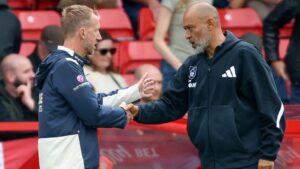
How Wrexham AFC Conquered League Two

The Curtain Rises on a New Act: Wrexham’s Ascent to League Two
The story of Wrexham AFC’s promotion from the National League is more than just a fairytale; it’s a testament to shrewd management, tactical flexibility, and a squad brimming with talent. While the Hollywood ownership of Ryan Reynolds and Rob McElhenney undoubtedly injected a new level of excitement and resources into the club, the on-field success was meticulously crafted by manager Phil Parkinson and his team. This analysis delves into the tactical nuances that underpinned Wrexham’s triumphant campaign, examining key personnel, strategic adaptations, and the moments that defined their journey back to the Football League.
Building a Foundation: Parkinson’s Tactical Blueprint
Phil Parkinson, a manager with a proven track record in the Football League, arrived at Wrexham with a clear vision: to build a team capable of dominating the National League and securing promotion. His tactical approach centered around a solid defensive structure, a dynamic midfield, and a potent attack capable of consistently finding the back of the net. While Parkinson experimented with different formations throughout the season, a 5-3-2 and 3-5-2 became the preferred system, offering both defensive stability and attacking impetus.
The foundation of Parkinson’s system was a well-organized defense. The back three, often featuring captain Ben Tozer, was tasked with shielding the goal and initiating attacks from the back. Tozer’s leadership and aerial prowess were crucial in defending set-pieces and dealing with long balls, a common tactic in the National League. The wing-backs, crucial to providing width and attacking support, were key to stretching opposition defenses and delivering crosses into the box.
In midfield, Parkinson sought a balance of creativity, energy, and defensive steel. The central midfielders were responsible for dictating the tempo of the game, winning back possession, and supporting the attack. Players like Jordan Davies and Elliot Lee provided dynamism and technical ability, while others brought a more physical presence and defensive awareness.
Upfront, the strike partnership of Paul Mullin and Ollie Palmer proved to be a devastating combination. Mullin, the National League’s top scorer, possessed exceptional finishing ability and a knack for being in the right place at the right time. Palmer, a physically imposing forward, provided a different dimension, offering a target man and creating space for Mullin to exploit.
The Power of Possession and Pressing
Wrexham’s tactical approach was not solely based on defensive solidity. Parkinson also emphasized the importance of controlling possession and pressing high up the pitch. When in possession, Wrexham aimed to build patiently from the back, using their defenders and midfielders to circulate the ball and create openings. They were not afraid to play long balls when necessary, particularly to Palmer, but their preferred approach was to dominate possession and dictate the tempo of the game.
Out of possession, Wrexham employed a coordinated pressing system designed to win the ball back quickly in the opponent’s half. This high press forced opposition teams into errors and created opportunities for Wrexham to launch quick counter-attacks. The intensity of the press was often a key factor in Wrexham’s ability to dominate games and suffocate their opponents.
Key Players and Their Roles
Several players were instrumental in Wrexham’s promotion success.
* **Paul Mullin:** The talismanic striker was the driving force behind Wrexham’s attack. His goal-scoring record speaks for itself, but his work rate, movement, and link-up play were equally important. Mullin’s ability to find space in the box and finish clinically made him a nightmare for defenders.
* **Ollie Palmer:** Palmer’s physical presence and aerial ability provided a crucial focal point for Wrexham’s attack. He won countless headers, held up the ball effectively, and created space for Mullin and other attacking players. His partnership with Mullin was one of the most effective in the National League.
* **Ben Tozer:** The captain and defensive linchpin, Tozer’s leadership, experience, and aerial prowess were invaluable. He organized the defense, won crucial headers, and provided a calming presence at the back. His long throws were also a potent weapon in Wrexham’s arsenal.
* **Jordan Davies:** A dynamic and creative midfielder, Davies provided energy, technical ability, and a goal threat from midfield. His ability to dribble past defenders and pick out a pass made him a key player in Wrexham’s attacking play.
* **Elliot Lee:** Another creative force in midfield, Lee brought guile and vision to the team. His ability to unlock defenses with clever passes and set-piece deliveries was crucial in breaking down stubborn opponents.
Tactical Adaptations and Game Management
Parkinson demonstrated his tactical acumen throughout the season by making subtle adjustments to his game plan based on the opposition and the match situation. He was not afraid to change formations, personnel, or tactics in order to gain an advantage.
For example, against teams that played with a high defensive line, Parkinson might instruct his midfielders to play more direct passes in behind the defense for Mullin and Palmer to chase. Against teams that sat deep and defended in numbers, he might encourage his wing-backs to push higher up the pitch and deliver more crosses into the box.
Parkinson’s game management was also a key factor in Wrexham’s success. He made astute substitutions at crucial moments, often bringing on fresh legs or changing the team’s shape to see out a victory or chase a goal. His ability to read the game and make the right decisions at the right time proved to be invaluable.
The Hollywood Factor: More Than Just Glamour
While the tactical brilliance of Parkinson and the quality of the players were undoubtedly crucial, the impact of the Hollywood ownership of Ryan Reynolds and Rob McElhenney cannot be overlooked. Their investment in the club, both financially and emotionally, created a positive environment and a sense of belief that permeated the entire team.
The increased exposure and media attention brought by the Hollywood owners also helped to attract top players to the club. Mullin, for example, admitted that the opportunity to play for Wrexham under Reynolds and McElhenney was a major factor in his decision to join the club.
However, the Hollywood factor was more than just glamour and celebrity. Reynolds and McElhenney genuinely cared about the club and the community, and their passion was infectious. They attended games regularly, interacted with the fans, and made a concerted effort to understand the history and traditions of Wrexham AFC. This genuine connection with the club and the community created a special bond that helped to galvanize the team and inspire them to achieve their goals.
Key Moments that Defined the Season
Several key moments defined Wrexham’s promotion season:
* **The Arrival of Paul Mullin:** Mullin’s arrival in the summer of 2021 signaled Wrexham’s intent to challenge for promotion. His goal-scoring record and pedigree at a higher level made him an instant hit with the fans and a key addition to the squad.
* **The FA Cup Run:** Wrexham’s FA Cup run, which included a memorable victory over Championship side Coventry City, provided a major boost to the club’s profile and generated significant revenue.
* **The Home Win Against Notts County:** In a thrilling match against their closest rivals, Wrexham secured a crucial victory that effectively sealed their promotion. The atmosphere at the Racecourse Ground was electric, and the win was a testament to the team’s resilience and determination.
* **Securing the ** The moment Wrexham secured the National League title was the culmination of a long and arduous journey. The celebrations that followed were a testament to the passion and dedication of the players, the staff, and the fans.
Looking Ahead: Challenges and Opportunities in League Two
Wrexham’s promotion to League Two marks the beginning of a new chapter in the club’s history. The challenges will be greater, the competition tougher, and the expectations higher. However, with Parkinson at the helm and a squad brimming with talent, Wrexham have the potential to make a significant impact in League Two.
Parkinson will need to adapt his tactics to the demands of League Two, and he may need to strengthen the squad with new additions. However, the core of the team that secured promotion remains intact, and the club has the financial backing to compete at a higher level.
The opportunity to play in the Football League is a major boost for Wrexham, both on and off the pitch. It will attract more fans, generate more revenue, and provide a platform for the club to continue to grow and develop. The Hollywood story continues, and the next act promises to be just as exciting as the last.
The Final Whistle: A Promotion Built on Tactics and Tenacity
Wrexham’s promotion from the National League wasn’t just a Hollywood script come to life; it was a meticulously crafted success story built on tactical ingenuity, unwavering determination, and a squad that blended talent with a relentless work ethic. Phil Parkinson’s tactical blueprint, the contributions of key players like Mullin, Palmer, and Tozer, and the undeniable influence of the Hollywood ownership all converged to create a season that will be etched in Wrexham folklore for generations to come. As they embark on their League Two journey, the foundations are firmly in place for continued success, proving that even fairytales need a solid tactical backbone to reach their happy ending.
FAQ
What formation did Wrexham primarily use during their promotion season?
Wrexham primarily utilized a 5-3-2 or 3-5-2 formation under Phil Parkinson. This system provided defensive solidity with three center-backs while allowing wing-backs to contribute to the attack. The midfield three offered a balance of creativity, energy, and defensive cover, supporting the strike partnership upfront.

Who were Wrexham’s key players during their promotion campaign?
Key players included Paul Mullin, the league’s top scorer, who provided clinical finishing. Ollie Palmer offered a physical presence upfront and created space for Mullin. Ben Tozer, the captain, was crucial in defense with his leadership and aerial ability. Jordan Davies and Elliot Lee added creativity and dynamism to the midfield.
How did Wrexham’s tactical approach differ when in possession versus out of possession?
When in possession, Wrexham focused on building patiently from the back, circulating the ball to create openings. They weren’t afraid to play long balls when necessary but preferred to dominate possession. Out of possession, they employed a coordinated high-pressing system to win the ball back quickly in the opponent’s half and launch counter-attacks.
What role did the Hollywood ownership play in Wrexham’s promotion?
Ryan Reynolds and Rob McElhenney’s ownership injected significant resources and attention into the club. Their investment helped attract top players and created a positive environment. Beyond the glamour, their genuine care for the club and community fostered a strong bond with the team and fans, galvanizing them towards success.
What are some of the challenges Wrexham might face in League Two?
In League Two, Wrexham will face tougher competition and higher expectations. Phil Parkinson will need to adapt his tactics and potentially strengthen the squad. Maintaining the team’s cohesion and work ethic will be crucial as they adjust to the demands of a higher league.