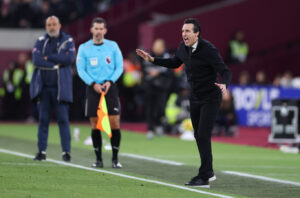
A Tactical Breakdown

Spurs’ FA Cup Dream Ends in Disarray: A Performance Post-Mortem
Tottenham Hotspur’s FA Cup campaign came to a crashing halt this weekend, leaving fans and pundits alike dissecting a performance riddled with tactical errors and individual shortcomings. The defeat, a significant blow to the club’s silverware aspirations, raises serious questions about the team’s current trajectory under manager Frank Lampard. This analysis delves into the key aspects of the match, scrutinizing player performances and highlighting the tactical missteps that ultimately led to Spurs’ downfall.

Defensive Frailties Exposed
Tottenham’s defensive woes were once again on full display, a recurring theme throughout the season. The backline lacked cohesion and communication, contributing directly to the goals conceded. Individual errors were rampant, with crucial lapses in concentration and poor decision-making costing the team dearly. The center-back pairing, in particular, struggled to contain the opposition’s attacking threat, failing to effectively track runners and win aerial duels. The full-backs also had a difficult time, often caught out of position and unable to provide adequate cover. A lack of pace and agility within the defensive unit left them vulnerable to quick transitions and counter-attacks, which the opposition ruthlessly exploited. The overall defensive structure appeared disorganized, lacking the necessary discipline and tactical awareness to effectively shut down the opposition’s attacks. This vulnerability at the back has become a major concern for Lampard, and addressing it will be crucial if Spurs are to achieve their ambitions.
Specifically, let’s examine the performance of Cristian Romero. While often lauded for his aggressive tackling and commitment, Romero’s tendency to dive into challenges proved costly on several occasions. His rash decisions led to unnecessary fouls in dangerous areas, providing the opposition with opportunities to score from set-pieces. Furthermore, his positioning was often questionable, leaving gaps in the defense that were easily exploited. On the other side, Micky van de Ven, usually a reliable presence, seemed uncharacteristically hesitant and indecisive. His passing accuracy was below par, and he struggled to cope with the opposition’s physical presence. The lack of a clear understanding between Romero and van de Ven was evident throughout the match, highlighting the need for improved communication and coordination within the defensive partnership. The absence of a commanding presence in the backline, someone who can organize the defense and provide leadership, was sorely missed.
Midfield Muddle: Creativity Stifled
The midfield failed to exert control and dominance, struggling to dictate the tempo of the game and provide adequate support to both the defense and attack. A lack of creativity and incisiveness in the middle of the park hindered Spurs’ ability to break down the opposition’s defense and create scoring opportunities. The central midfielders were often bypassed, failing to receive the ball in advantageous positions and struggling to link up effectively with the forwards. Their passing accuracy was below par, and they lacked the vision and imagination to unlock the opposition’s backline. The absence of a dynamic and influential playmaker was keenly felt, leaving Spurs devoid of a creative spark in midfield. The midfield’s inability to win the physical battle further contributed to their struggles, allowing the opposition to gain the upper hand in the center of the pitch. The overall performance of the midfield was underwhelming, failing to provide the necessary platform for Spurs to launch meaningful attacks.
Yves Bissouma, typically a driving force in midfield, appeared sluggish and off the pace. His energy levels seemed low, and he struggled to win tackles and intercept passes. His passing was also uncharacteristically erratic, failing to find his teammates with the same regularity as usual. James Maddison, tasked with providing creativity and flair, was largely ineffective. He struggled to find space between the lines and was often crowded out by the opposition’s midfielders. His set-piece delivery was also disappointing, failing to create any clear-cut chances. The partnership between Bissouma and Maddison, which had shown promise in previous matches, failed to ignite, leaving Spurs lacking in both defensive solidity and attacking creativity. The introduction of Rodrigo Bentancur in the second half failed to have the desired impact, as he too struggled to impose himself on the game. The midfield’s inability to control possession and dictate the tempo ultimately contributed to Spurs’ downfall.
Attack Blunted: Lacking Cutting Edge
Tottenham’s attack lacked its usual sharpness and cutting edge, failing to convert promising opportunities into goals. The forwards struggled to break down the opposition’s defense, often isolated and lacking in service. Their movement off the ball was predictable, making it easy for the defenders to track them. The final ball was often lacking in quality, failing to find its intended target. The absence of a clinical finisher in the box was keenly felt, as Spurs squandered several chances to get back into the game. The wingers also struggled to make an impact, failing to beat their markers and deliver dangerous crosses. The overall attacking performance was disjointed and lacking in cohesion, failing to create enough clear-cut chances to trouble the opposition. The lack of urgency and intensity in the final third was also a concern, suggesting a lack of belief and confidence within the attacking unit.
Harry Kane, often the talismanic figure for Spurs, was uncharacteristically quiet. He struggled to find space and was often crowded out by the opposition’s defenders. His link-up play with the other forwards was also lacking, failing to create the kind of fluid attacking movements that Spurs fans have come to expect. He did manage a few shots on target, but none of them seriously troubled the opposition goalkeeper. Son Heung-min, another key attacking threat, was also well-marshaled by the opposition’s defense. He struggled to beat his marker and was often forced to cut inside onto his weaker foot. His finishing was also uncharacteristically poor, failing to convert a couple of promising opportunities. The lack of support from the midfield and the defensive struggles behind them clearly impacted the attacking players’ confidence and ability to influence the game. Richarlison, brought on as a substitute, failed to make a significant impact, further highlighting the lack of attacking options available to Lampard.
Lampard’s Tactical Gamble Backfires
Frank Lampard’s tactical decisions came under scrutiny following the defeat, with many questioning his team selection and game management. The starting lineup appeared unbalanced, lacking the right blend of creativity and defensive stability. The decision to play a high defensive line against a team known for their pace on the counter-attack proved to be a costly mistake. The substitutions also failed to have the desired impact, failing to inject fresh impetus into the team. Lampard’s inability to adapt his tactics during the game was also a concern, as Spurs continued to struggle despite his attempts to change things around. The lack of a clear game plan was evident throughout the match, suggesting a lack of preparation and tactical awareness. The pressure is now mounting on Lampard to turn things around quickly, as Spurs’ season threatens to unravel.
The decision to start with a relatively inexperienced midfield pairing was a gamble that ultimately backfired. The lack of experience and composure in the middle of the park allowed the opposition to dominate possession and dictate the tempo of the game. The late substitutions, while intended to inject fresh energy into the team, came too late to make a significant difference. The overall tactical approach appeared reactive rather than proactive, with Spurs struggling to impose their will on the game. Lampard’s inability to find a solution to Spurs’ defensive woes is a major concern, and he will need to address this issue urgently if he is to save his job. The lack of tactical flexibility and adaptability has been a recurring theme throughout his tenure, and it is something that he needs to address if he is to succeed at Tottenham.
Looking Ahead: A Season at a Crossroads
The FA Cup exit represents a significant setback for Tottenham, leaving their season at a crossroads. With their silverware hopes dashed, Spurs must now focus on securing a top-four finish in the Premier League. However, their recent form has been inconsistent, and they face a tough battle to qualify for the Champions League. Lampard needs to find a way to galvanize his squad and instill a greater sense of belief and confidence. The January transfer window presents an opportunity to strengthen the squad, but it is crucial that Spurs make the right signings. The pressure is on Lampard to turn things around quickly, as the fans are growing increasingly impatient with the team’s performances. The next few weeks will be critical in determining the direction of Spurs’ season and the future of Frank Lampard at the club.
The need for defensive reinforcements is clear, with Spurs consistently leaking goals. A commanding center-back who can organize the defense and provide leadership would be a valuable addition to the squad. The midfield also needs strengthening, with a dynamic and creative playmaker required to unlock opposition defenses. Up front, Spurs could benefit from a clinical finisher who can convert chances into goals. However, it is not just about bringing in new players. Lampard needs to find a way to improve the performances of the existing squad, instilling a greater sense of discipline and tactical awareness. The players need to take responsibility for their own performances and show greater commitment and desire on the pitch. The challenges facing Tottenham are significant, but they are not insurmountable. With the right leadership and a renewed sense of purpose, Spurs can still salvage their season and achieve their goals.
Player Ratings (Out of 10)
- Hugo Lloris: 5
- Cristian Romero: 4
- Micky van de Ven: 5
- Pedro Porro: 6
- Destiny Udogie: 5
- Yves Bissouma: 4
- James Maddison: 5
- Dejan Kulusevski: 6
- Harry Kane: 6
- Son Heung-min: 5
- Richarlison: 5 (Substitute)
FAQ
Why did Tottenham lose the FA Cup match?
Tottenham lost due to a combination of factors including defensive errors, a lack of creativity in midfield, and a blunt attack. Tactically, the team appeared disorganized and failed to execute the manager’s game plan effectively. Individual player performances were also below par, contributing to the overall disappointing result.
What were the main tactical errors made by Frank Lampard?
Lampard’s tactical decisions, such as the team selection and high defensive line, were questionable. The substitutions didn’t have the desired impact, and the team lacked a clear game plan, suggesting a lack of preparation. His inability to adapt tactics during the game also contributed to the loss.
Which players performed poorly in the match?
Several players underperformed. Cristian Romero’s rash challenges and positioning were detrimental to the defense. Yves Bissouma appeared sluggish in midfield, and James Maddison struggled to create opportunities. Son Heung-min and Harry Kane, usually reliable in attack, were largely ineffective.
What does this loss mean for Tottenham’s season?
The FA Cup exit is a significant setback, ending their hopes for silverware this season. They must now focus on securing a top-four finish in the Premier League, but their recent inconsistent form makes this a challenging goal. The team needs to improve significantly and potentially strengthen the squad in the January transfer window.
What changes need to be made to improve Tottenham’s performance?
Tottenham needs defensive reinforcements, particularly a commanding center-back. The midfield needs a dynamic playmaker, and the attack could benefit from a clinical finisher. More importantly, the manager needs to instill discipline, improve tactical awareness, and foster a greater sense of belief within the squad.