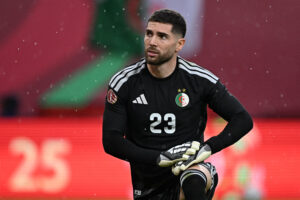
Unpacking Player Performances and Real Madrid’s Tactical Gamble

Barcelona’s Supercopa Triumph: A Deep Dive into Player Performances and Real Madrid’s Tactical Surprise
The dust has settled on Barcelona’s convincing victory over Real Madrid in the Spanish Supercopa final, but the echoes of the match still resonate. While the scoreline reflected Barcelona’s dominance, the post-match reactions, particularly those of the Barcelona players, have shone a light on a key tactical element: Real Madrid’s unexpected deployment of a low defensive block. This article delves into the player performances that shaped the game and analyzes the tactical choices that defined the encounter.
Player Reactions: A Surprise at Madrid’s Defensive Approach
Following Barcelona’s 3-1 victory, several players expressed surprise at Real Madrid’s tactical setup. The general sentiment was that Real Madrid, typically known for their attacking prowess and high pressing game, adopted a more conservative, defensive approach, sitting deeper and aiming to hit Barcelona on the counter-attack. This shift in strategy seemingly caught Barcelona off guard, at least initially. As one Barcelona player reportedly stated, “I’m surprised Real Madrid were in a low block.” This quote, and others like it, highlight the extent to which Ancelotti’s tactics deviated from expectations.
Barcelona’s Dominance: A Product of Midfield Mastery
Barcelona’s victory was built on a foundation of midfield control. The trio of Gavi, Pedri, and Sergio Busquets, in particular, dictated the tempo of the game, consistently winning possession and orchestrating attacking moves.
* **Gavi:** The young midfielder delivered a man-of-the-match performance, scoring a goal and providing an assist. His energy, pressing intensity, and ability to find space in tight areas proved crucial in breaking down Real Madrid’s defensive lines. Gavi’s goal, a well-taken finish after a slick passing move, exemplified Barcelona’s clinical edge in the final third.
* **Pedri:** Alongside Gavi, Pedri showcased his exceptional vision and passing range. His ability to pick out teammates in advanced positions and create scoring opportunities was instrumental in Barcelona’s attacking success. Pedri’s composure on the ball and his intelligent movement off the ball made him a constant threat to Real Madrid’s defense. He also added a goal to his excellent performance.
* **Sergio Busquets:** The veteran midfielder provided the crucial anchor in midfield, shielding the defense and dictating the flow of possession. Busquets’ tactical intelligence and ability to read the game allowed Barcelona to maintain control and prevent Real Madrid from launching counter-attacks effectively. His experience and composure were invaluable in navigating the challenges posed by Real Madrid’s defensive setup.
Robert Lewandowski also played a pivotal role, leading the line effectively and scoring a crucial goal. His movement and link-up play created space for Gavi and Pedri to operate, and his clinical finishing ensured that Barcelona capitalized on their chances.
Real Madrid’s Tactical Approach: A Low Block Under Scrutiny
Real Madrid’s decision to adopt a low defensive block raised eyebrows among analysts and fans alike. While Ancelotti’s tactical flexibility is well-known, the choice to concede possession and prioritize defensive solidity seemed to contradict Real Madrid’s attacking philosophy. Several factors may have contributed to this decision:
* **Respect for Barcelona’s Midfield:** Ancelotti may have recognized the strength of Barcelona’s midfield and opted to deny them space in central areas by sitting deeper. By crowding the midfield and limiting passing lanes, Real Madrid aimed to disrupt Barcelona’s rhythm and force them to play wider.
* **Exploiting Counter-Attacking Opportunities:** The low block was likely intended to create opportunities for Real Madrid to launch quick counter-attacks. By absorbing pressure and winning possession, Real Madrid hoped to exploit the pace and skill of Vinicius Junior and Karim Benzema on the break. However, Barcelona’s effective pressing and defensive organization limited Real Madrid’s ability to transition quickly and create dangerous counter-attacking situations.
* **Defensive Concerns:** Real Madrid’s defense has shown vulnerabilities this season, and Ancelotti may have prioritized defensive stability in the Supercopa final. By sitting deeper and protecting the back four, Real Madrid aimed to minimize the risk of conceding goals. However, Barcelona’s attacking quality ultimately proved too much to handle, and Real Madrid’s defense struggled to contain the movement and creativity of Barcelona’s forwards and midfielders.
However, the low block strategy ultimately proved ineffective. Barcelona’s midfield dominance allowed them to patiently probe for openings, and their clinical finishing in the final third ensured that they capitalized on their chances. Real Madrid’s counter-attacking opportunities were limited, and their defense struggled to contain Barcelona’s attacking threat.
Analyzing Key Player Matchups
The Supercopa final saw several key player matchups that significantly influenced the outcome of the game:
* **Gavi vs. Toni Kroos/Luka Modric:** Gavi’s relentless energy and pressing intensity disrupted the rhythm of Real Madrid’s midfield veterans, Toni Kroos and Luka Modric. Gavi’s ability to win possession and create turnovers in midfield gave Barcelona a significant advantage in controlling the game.
* **Pedri vs. Eduardo Camavinga:** Pedri’s intelligent movement and passing range posed a constant threat to Eduardo Camavinga, who struggled to contain the Barcelona midfielder’s creativity. Pedri’s ability to find space and create scoring opportunities was instrumental in Barcelona’s attacking success.
* **Robert Lewandowski vs. Eder Militao/Antonio Rudiger:** Lewandowski’s movement and link-up play created space for Barcelona’s midfielders to operate, and his clinical finishing ensured that Barcelona capitalized on their chances. Militao and Rudiger struggled to contain Lewandowski’s threat, and the Barcelona striker’s goal proved to be a crucial moment in the game.
Xavi’s Tactical Masterclass
Xavi Hernandez’s tactical approach played a crucial role in Barcelona’s victory. His decision to deploy Gavi and Pedri in advanced midfield roles proved to be a masterstroke, as their energy, creativity, and goal-scoring ability proved too much for Real Madrid to handle. Xavi’s emphasis on possession-based football and high pressing also stifled Real Madrid’s attacking threat and allowed Barcelona to control the game. Xavi’s ability to adapt his tactics and make effective substitutions throughout the game further demonstrated his tactical acumen.
The Impact of Early Goals
Barcelona’s early goals in both halves of the game significantly influenced the flow of the match. The early lead allowed Barcelona to control the tempo and dictate the terms of engagement. Real Madrid were forced to chase the game, which played into Barcelona’s hands. The early goals also boosted Barcelona’s confidence and morale, while simultaneously denting Real Madrid’s belief.
Vinicius Junior’s Frustration
Vinicius Junior, typically a key threat for Real Madrid, struggled to make an impact on the game. He was well-marshaled by Barcelona’s defense and found limited space to operate. His frustration was evident throughout the match, and he was unable to replicate his usual level of performance. This curtailment of Vinicius Junior’s attacking threat was a significant factor in Real Madrid’s inability to create dangerous scoring opportunities.
Looking Ahead: Implications for La Liga
Barcelona’s Supercopa victory sends a clear message to their rivals in La Liga. The win demonstrates Barcelona’s resurgence under Xavi Hernandez and their determination to challenge for the title. The tactical lessons learned from the Supercopa final will undoubtedly influence both Barcelona and Real Madrid’s approach to future matches. Barcelona’s midfield dominance and attacking prowess will pose a significant challenge to every team in La Liga, while Real Madrid will need to address their defensive vulnerabilities and find a way to unlock their attacking potential. The upcoming La Liga Clasico matches will be highly anticipated and will likely be defined by tactical battles and individual brilliance.
Conclusion: Barcelona’s Tactical Triumph
Barcelona’s Supercopa victory was a tactical triumph, built on a foundation of midfield dominance, clinical finishing, and effective defensive organization. Real Madrid’s decision to adopt a low defensive block ultimately backfired, as Barcelona were able to patiently probe for openings and capitalize on their chances. The player reactions following the game highlighted the surprise at Real Madrid’s approach, underscoring the extent to which Ancelotti’s tactics deviated from expectations. Xavi Hernandez’s tactical masterclass further solidified Barcelona’s superiority, and the Supercopa victory serves as a statement of intent for the remainder of the season. The match underscored the importance of tactical flexibility and adaptability in modern football, and it will be fascinating to see how both Barcelona and Real Madrid adjust their strategies in future encounters. The Supercopa final was more than just a trophy; it was a demonstration of Barcelona’s resurgence and a sign of things to come in La Liga.
FAQ
Why did Real Madrid play with a low block?
Real Madrid’s decision to play with a low block was likely influenced by a combination of factors. Firstly, they may have recognized the strength of Barcelona’s midfield and aimed to deny them space in central areas. Secondly, they may have intended to create opportunities for counter-attacks by absorbing pressure and winning possession. Finally, defensive concerns may have led them to prioritize stability and protect their back four.

How did Barcelona overcome Real Madrid’s defensive setup?
Barcelona overcame Real Madrid’s defensive setup through a combination of midfield dominance, patient probing, and clinical finishing. Their midfield trio of Gavi, Pedri, and Sergio Busquets controlled possession and dictated the tempo of the game. They patiently probed for openings in Real Madrid’s defense and capitalized on their chances with clinical finishing in the final third.
What was the key to Gavi’s performance?
The key to Gavi’s performance was his relentless energy, pressing intensity, and ability to find space in tight areas. He disrupted Real Madrid’s midfield, won possession, and created turnovers. His goal and assist highlighted his attacking prowess and his ability to make a difference in the final third.
How did Xavi’s tactics influence the game?
Xavi’s tactics played a crucial role in Barcelona’s victory. His decision to deploy Gavi and Pedri in advanced midfield roles proved to be a masterstroke. His emphasis on possession-based football and high pressing stifled Real Madrid’s attacking threat and allowed Barcelona to control the game. His ability to adapt his tactics and make effective substitutions further demonstrated his tactical acumen.
What does this victory mean for Barcelona’s season?
This victory sends a clear message to Barcelona’s rivals in La Liga. It demonstrates Barcelona’s resurgence under Xavi Hernandez and their determination to challenge for the title. The tactical lessons learned from the Supercopa final will undoubtedly influence both Barcelona and Real Madrid’s approach to future matches.