How Paris FC Stunned PSG in a Tactical Coup de France Upset

Paris FC Shocks PSG in Coupe de France Thriller: A Deep Dive into the Tactical Breakdown
In a result that sent shockwaves through French football, Paris FC, playing in the second tier of French football, eliminated the reigning Coupe de France champions, Paris Saint-Germain, from the competition. The match, a pulsating encounter filled with tactical intrigue and individual brilliance, ended with Paris FC emerging victorious, leaving Luis Enrique and his star-studded PSG side reeling. This analysis delves into the key tactical decisions, pivotal player performances, and crucial moments that defined this unexpected result.
Tactical Formations and Initial Strategies
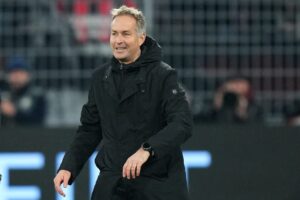
Paris FC, under the guidance of Benoit Tavenot, deployed a well-organized 4-4-2 formation. This setup provided defensive solidity while allowing for quick transitions into attack. Their strategy was clear: absorb PSG’s pressure, remain compact defensively, and exploit any opportunities on the counter-attack. The two banks of four aimed to stifle PSG’s creative midfielders and limit space for their attackers.
PSG, as expected, lined up in their usual 4-3-3 formation under Luis Enrique. The emphasis was on dominating possession and dictating the tempo of the game. The fullbacks were instructed to push high up the pitch, providing width and support to the attacking trio. The midfield three were tasked with controlling the central areas and providing a link between defense and attack. However, this approach ultimately proved ineffective against Paris FC’s disciplined defensive structure and clinical counter-attacking prowess.
Midfield Battle: Paris FC’s Tactical Superiority
The midfield battle proved to be a crucial area of the pitch, and it was here that Paris FC gained a significant advantage. Their central midfielders, operating with relentless energy and tactical awareness, effectively disrupted PSG’s passing rhythm. They closed down space quickly, preventing PSG’s midfielders from having time on the ball and forcing them into hurried passes. In contrast, PSG’s midfield struggled to impose themselves on the game, lacking the dynamism and creativity needed to break down Paris FC’s stubborn resistance. Vitinha, usually a key player for PSG, had a particularly quiet game, failing to provide the spark needed to unlock the Paris FC defense. His passing accuracy was uncharacteristically low, and he struggled to win his individual duels. Manuel Ugarte, tasked with shielding the defense, was often caught out of position, leaving the backline exposed.
Defensive Errors and Goalkeeping Woes Plague PSG
PSG’s defensive frailties were exposed throughout the match. Uncharacteristic errors in judgment and poor communication between defenders led to several dangerous situations. The center-back pairing of Marquinhos and Milan Škriniar looked shaky and uncertain, failing to effectively deal with Paris FC’s attacking threat. A particularly costly mistake by Škriniar led directly to one of Paris FC’s goals, highlighting the defensive instability that plagued PSG throughout the game. Goalkeeping also proved to be a major concern for PSG. Gianluigi Donnarumma, usually a reliable presence between the posts, had a subpar performance. He failed to command his area effectively and made a couple of questionable saves, contributing to PSG’s downfall. His distribution was also poor, often putting his teammates under pressure.
Paris FC’s Counter-Attacking Masterclass
Paris FC’s success was largely built on their effective counter-attacking strategy. They were disciplined in defense, patiently waiting for opportunities to win the ball back and launch quick attacks. Their forwards displayed pace, skill, and clinical finishing, capitalizing on PSG’s defensive vulnerabilities. The wingers were particularly effective, using their speed and trickery to get behind PSG’s fullbacks and create scoring chances. The link-up play between the midfield and attack was seamless, allowing Paris FC to transition quickly from defense to offense. Their first goal, a textbook counter-attack, showcased their ability to exploit space and punish PSG’s defensive lapses.
Key Player Performances: Heroes and Villains
Several players stood out for both teams, playing pivotal roles in shaping the outcome of the match.
Paris FC Standouts:
- Julien Lopez (Midfielder): Lopez was the engine of the Paris FC midfield, dictating the tempo of the game and winning crucial tackles. His energy and work rate were infectious, inspiring his teammates to perform at their best. He also contributed defensively, tracking back diligently and disrupting PSG’s attacking moves.
- Lamine Diaby Fadiga (Forward): Diaby Fadiga led the line with intelligence and aggression, causing problems for PSG’s defense throughout the match. His pace and movement stretched the backline, creating space for his teammates. He also displayed clinical finishing, scoring a crucial goal to put Paris FC ahead.
- Vincent Demarconnay (Goalkeeper): Demarconnay was a rock in the Paris FC goal, making several important saves to deny PSG’s attackers. His commanding presence and confident handling instilled belief in his defense. He also showed excellent distribution, launching quick counter-attacks with accurate throws and kicks.
PSG Underperformers:
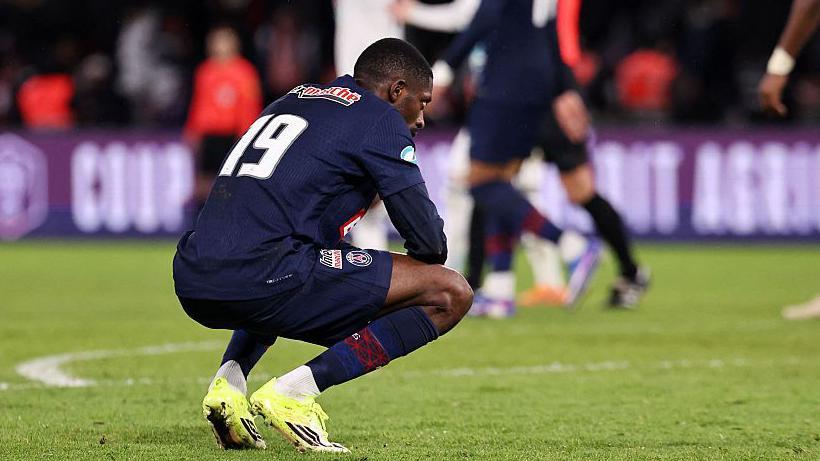
- Milan Škriniar (Defender): Škriniar had a night to forget, making several costly errors that led to Paris FC goals. His positioning was poor, and he struggled to deal with the pace and movement of Paris FC’s forwards. His confidence appeared shattered, and he was eventually substituted in the second half.
- Vitinha (Midfielder): Vitinha failed to impose himself on the game, struggling to break down Paris FC’s midfield resistance. His passing accuracy was uncharacteristically low, and he lacked the dynamism needed to unlock the defense. He was also guilty of losing possession in dangerous areas, putting his team under pressure.
- Gianluigi Donnarumma (Goalkeeper): Donnarumma’s performance was below his usual standards. He made a couple of questionable saves and failed to command his area effectively. His distribution was also poor, often putting his teammates under pressure.
Luis Enrique’s Substitutions and Tactical Adjustments
Recognizing the need for a change, Luis Enrique made several substitutions in the second half, attempting to inject fresh energy and creativity into his team. The introduction of players like Warren Zaïre-Emery and Bradley Barcola aimed to provide more attacking impetus. However, these changes failed to have the desired impact, as Paris FC continued to frustrate PSG’s attempts to break them down. Enrique also tinkered with the formation, switching to a more attacking 4-2-4 in the latter stages of the game. However, this tactical gamble left PSG even more vulnerable at the back, allowing Paris FC to exploit the space on the counter-attack. Ultimately, Enrique’s changes proved to be too little, too late, as Paris FC held on for a famous victory.
The Significance of the Result
This result represents a monumental achievement for Paris FC and a devastating blow for PSG. For Paris FC, it is a historic victory that will be celebrated for years to come. It demonstrates their progress as a club and their ability to compete with the best teams in France. The win will undoubtedly boost their confidence and morale, providing a platform for future success. For PSG, the defeat is a major setback, raising questions about their tactical approach, player selection, and overall performance. It highlights the need for improvement in all areas of the team, from defense to attack. The pressure will now be on Luis Enrique to address these issues and restore PSG’s dominance in French football.
Looking Ahead
Paris FC will now look forward to the next round of the Coupe de France, hoping to continue their fairytale run. They will undoubtedly be full of confidence and belief, knowing that they are capable of beating anyone on their day. PSG, on the other hand, will need to regroup and refocus their efforts on the league campaign. They will be determined to bounce back from this defeat and prove that they are still the team to beat in France. The loss serves as a stark reminder that no team is invincible and that every match must be approached with the utmost focus and determination.
FAQ Section
How did Paris FC manage to defeat such a strong PSG team?
Paris FC’s victory was a result of a combination of factors: a well-organized defensive structure, a disciplined tactical approach, clinical counter-attacking, and standout performances from key players. They effectively stifled PSG’s attacking threats, capitalized on defensive errors, and executed their game plan to perfection.
What were PSG’s biggest weaknesses in the match?
PSG’s biggest weaknesses were their defensive frailties, midfield struggles, and subpar goalkeeping performance. Uncharacteristic errors in defense, a lack of creativity in midfield, and a below-par performance from the goalkeeper all contributed to their downfall.
Which players were the standout performers for Paris FC?
Julien Lopez (midfielder) controlled the midfield, Lamine Diaby Fadiga (forward) led the attack effectively, and Vincent Demarconnay (goalkeeper) provided a solid presence in goal.
Did Luis Enrique make any tactical errors in the match?
While Enrique attempted to make adjustments with substitutions and formation changes, his tactical approach ultimately proved ineffective against Paris FC’s game plan. His team selection and initial strategy also came under scrutiny after the defeat.
What does this result mean for both teams moving forward?
For Paris FC, it is a historic victory that will boost their confidence and provide a platform for future success. For PSG, it is a major setback that highlights the need for improvement in all areas of the team and puts pressure on the manager to address the issues.