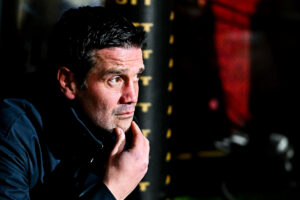
How He Could Rekindle Man United’s Lost Glory


The Carrick Conundrum: A Tactical Renaissance at Old Trafford?
The managerial merry-go-round is a constant fixture in modern football, and Manchester United, despite their historical stature, have been no strangers to its dizzying spin in recent years. With questions perpetually swirling around the current regime, the name of Michael Carrick inevitably surfaces in discussions about potential successors. But is Carrick, the composed midfield maestro of Sir Alex Ferguson’s era, truly equipped to restore the Red Devils to their former glory? This analysis delves into Carrick’s coaching philosophy, tactical nuances, and track record, examining whether he possesses the qualities to rekindle the ‘magic’ at Old Trafford.
From Midfield Metronome to Managerial Maestro: Carrick’s Coaching Evolution
Carrick’s transition from player to coach began almost seamlessly, initially serving as a first-team coach under Jose Mourinho and later Ole Gunnar Solskjær at Manchester United. This period provided invaluable experience, offering a front-row seat to the complexities of managing a club of United’s magnitude. However, it was his relatively short but impactful tenure at Middlesbrough that truly showcased his managerial potential.
Taking the reins at the Riverside Stadium in October 2022, Carrick inherited a team languishing near the bottom of the Championship table. What followed was nothing short of remarkable. He instilled a clear tactical identity, transforming Middlesbrough into a cohesive and attacking force. His impact was immediate, propelling them into the playoff positions and establishing them as one of the most exciting teams in the league. Although promotion eluded them, Carrick’s work laid a solid foundation for future success, demonstrating his ability to implement a sophisticated game plan and inspire a squad.
A Possession-Based Philosophy: Dictating the Tempo
At the heart of Carrick’s tactical approach lies a commitment to possession-based football. He believes in controlling games through meticulous passing, intelligent movement, and a structured build-up from the back. This philosophy is not merely about sterile possession; it’s about using the ball to create opportunities, dictate the tempo, and ultimately dominate the opposition.
Carrick’s Middlesbrough side exhibited a clear pattern of play, characterized by short, incisive passing in their own half, designed to draw the opposition forward and create space in midfield. Central to this approach was the role of the defensive midfielder, often tasked with dropping deep to receive the ball from the center-backs and initiating attacks. This player’s composure and passing range were crucial in dictating the flow of the game and transitioning from defense to attack.
The full-backs also played a vital role, providing width and offering passing options in the attacking third. Their ability to overlap and underlap the wingers created confusion for the opposition defense and provided valuable crosses into the box.
Attacking Patterns: Fluidity and Innovation
Carrick’s attacking philosophy is not solely reliant on possession; it also emphasizes fluidity, intelligent movement, and innovative attacking patterns. He encourages his players to take risks, express themselves creatively, and exploit space in the final third.
One of the hallmarks of Carrick’s Middlesbrough side was their willingness to rotate positions in attack. Wingers would often drift inside, creating space for the full-backs to overlap, while midfielders would make late runs into the box to support the forwards. This constant movement made it difficult for the opposition to track runners and defend against their attacking threat.
Another key aspect of Carrick’s attacking approach is his emphasis on quick transitions. When possession is won, his players are instructed to immediately look for forward passes and exploit any defensive vulnerabilities. This direct approach, combined with their possession-based build-up, made Middlesbrough a formidable attacking force.
Defensive Structure: Organized and Disciplined
While Carrick’s attacking philosophy often steals the headlines, his defensive structure is equally important. He believes in a well-organized and disciplined defensive unit that is difficult to break down.
Carrick typically employs a high defensive line, pressing opponents in their own half to win back possession quickly. This aggressive approach requires a high level of fitness and concentration from his players, as well as a strong understanding of their defensive responsibilities.
When defending deeper, Carrick’s teams are typically organized in a compact shape, denying the opposition space to play through the middle. The midfielders play a crucial role in protecting the back four, tracking runners and intercepting passes. The full-backs are also responsible for tracking the opposition wingers and preventing them from delivering crosses into the box.
Player Development: Nurturing Talent
Beyond tactics, Carrick possesses a proven ability to develop players, both young and experienced. His calm and approachable demeanor, coupled with his deep understanding of the game, allows him to connect with players on a personal level and help them reach their full potential.
At Middlesbrough, he oversaw the development of several promising young players, giving them opportunities to shine and instilling them with confidence. He also revitalized the careers of experienced players, helping them rediscover their form and contribute to the team’s success. This ability to nurture talent is a crucial asset for any manager, particularly at a club like Manchester United, which has a rich history of developing young players.
The United Question: Fit and Feasibility
The question remains: can Carrick translate his success at Middlesbrough to the Theatre of Dreams? The challenges at Manchester United are significantly greater than those he faced at the Riverside. The pressure, scrutiny, and expectations are on a different scale altogether.
However, Carrick possesses several qualities that could make him a successful manager at Old Trafford. His tactical acumen, possession-based philosophy, and ability to develop players align with the club’s traditions and values. Furthermore, his experience as a player and coach at United provides him with a deep understanding of the club’s culture and expectations.
One potential obstacle is his relative lack of experience managing at the highest level. Managing Middlesbrough in the Championship is a far cry from managing Manchester United in the Premier League and Champions League. However, Carrick’s rapid progress and impressive track record suggest that he has the potential to adapt and succeed at a higher level.
Another consideration is the current squad at Manchester United. Carrick’s tactical philosophy requires players with specific attributes, such as technical ability, intelligence, and work ethic. It would be crucial for him to assess the existing squad and identify players who fit his system, as well as bring in new players who can complement his approach.
Ultimately, whether Carrick can rediscover the ‘magic’ at Manchester United remains to be seen. However, his coaching philosophy, tactical nuances, and track record suggest that he possesses the potential to bring a fresh and exciting brand of football to Old Trafford. He represents a departure from the recent managerial appointments, offering a long-term vision and a commitment to developing a cohesive and attacking team. Whether the United hierarchy will take the gamble remains to be seen, but the potential rewards could be significant.
Comparing Carrick’s Style to Ten Hag’s
It’s imperative to compare Carrick’s approach to that of the current Manchester United manager, Erik ten Hag. While both managers value possession, there are key differences in their implementation and overall philosophy.
Ten Hag, known for his meticulous planning and structured approach, emphasizes a rigid tactical framework. His teams are often characterized by positional play, where players are assigned specific roles and responsibilities within a defined system. While this can lead to periods of dominance, it can also be predictable and lack the spontaneity that Carrick seems to foster.
Carrick, on the other hand, appears to favor a more fluid and adaptable approach. While he establishes a clear tactical structure, he also encourages his players to express themselves creatively and make their own decisions on the pitch. This can lead to a more dynamic and unpredictable attacking game, but it also requires a high level of trust and understanding between the players.
Defensively, Ten Hag’s teams are known for their aggressive pressing and high defensive line. This requires a high level of fitness and coordination, but it can also leave them vulnerable to counter-attacks. Carrick’s defensive approach is more pragmatic, prioritizing organization and discipline over relentless pressing. He is more likely to adapt his defensive strategy based on the opponent and the game situation.
Ultimately, the choice between Ten Hag and Carrick represents a fundamental decision about the direction of Manchester United. Ten Hag offers a proven track record of success based on a structured and disciplined approach. Carrick offers a more innovative and potentially more exciting vision, but with less experience at the highest level.
The Road Ahead: Challenges and Opportunities
If Carrick were to take the helm at Manchester United, he would face a multitude of challenges. Rebuilding the squad, instilling a winning mentality, and managing the expectations of the fans and the media would be just a few of the hurdles he would need to overcome.
However, he would also have several opportunities. He would inherit a squad with a mix of experienced players and promising youngsters, providing a solid foundation to build upon. He would also have the backing of the club’s resources, allowing him to bring in new players who fit his system.
Perhaps most importantly, he would have the opportunity to restore Manchester United to their former glory. He would have the chance to implement his vision, create a winning team, and bring joy back to the fans. It would be a daunting task, but one that Carrick, with his tactical acumen, player development skills, and deep understanding of the club, would be well-equipped to handle. The Carrick effect might just be the spark that ignites a new era at Old Trafford.
FAQ
What is Michael Carrick’s coaching philosophy?
Michael Carrick’s coaching philosophy centers around possession-based football, emphasizing control through meticulous passing, intelligent movement, and structured build-up from the back. He also values fluidity in attack, encouraging players to be creative and exploit space.
What was Michael Carrick’s impact at Middlesbrough?
Carrick inherited a Middlesbrough team near the bottom of the Championship and transformed them into playoff contenders. He instilled a clear tactical identity, improved their attacking play, and revitalized the careers of several players.
How does Carrick’s tactical approach differ from Erik ten Hag’s?
While both value possession, Ten Hag emphasizes a rigid tactical framework and positional play, while Carrick favors a more fluid and adaptable approach, encouraging player creativity and adaptability.
What are the potential challenges Carrick would face at Manchester United?
Challenges would include rebuilding the squad, instilling a winning mentality, managing high expectations, and adapting to the pressure of managing a club of United’s stature, particularly given his relative inexperience at the highest level.
What opportunities would Carrick have at Manchester United?
Opportunities would include working with a talented squad, having the backing of the club’s resources for player acquisitions, and the chance to restore Manchester United to their former glory by implementing his vision and creating a winning team.