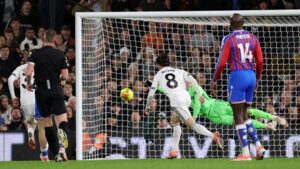
How Baxter’s Liverpool Outwitted United with Gibson’s Heroics

Liverpool’s Calculated Victory: A Tactical Breakdown of the Win Against Manchester United
In a clash that lived up to its billing, Liverpool emerged victorious against Manchester United, not just through sheer force, but through a meticulously crafted tactical plan orchestrated by their manager, Baxter. While the headlines might focus on Gibson’s heroics, a deeper look reveals a complex interplay of strategies that ultimately stifled United’s attacking threats and allowed Liverpool to capitalize on their weaknesses. This analysis will delve into the key tactical decisions, player roles, and pivotal moments that defined the match.
Liverpool’s Defensive Solidity: Building from the Back
Baxter’s Liverpool has been built on a foundation of defensive solidity, and this game was no exception. The backline, anchored by experienced center-backs and supported by disciplined full-backs, proved difficult to break down. The key was not simply defending deep, but rather a proactive approach to winning the ball back high up the pitch. This was achieved through a well-coordinated pressing scheme, triggered by specific cues such as a poor touch or a risky pass from United’s defenders.
The central defensive pairing focused on limiting the space for United’s forwards to operate in. They were quick to close down passing lanes and physically imposing in aerial duels. Crucially, they also displayed excellent communication, ensuring that there were no gaps for United to exploit. One of the most effective aspects of Liverpool’s defense was their ability to force United wide, where they could then be contained by the full-backs and defensive midfielders. This prevented United from playing through the middle, where they pose the greatest threat.
Gibson’s Pivotal Role: More Than Just a ‘Hero’
While Baxter’s comment about asking Gibson to “make himself a hero” might sound simplistic, it speaks to the specific role the player was assigned within the tactical framework. Gibson wasn’t just tasked with individual brilliance; he was integral to disrupting United’s midfield rhythm and launching Liverpool’s counter-attacks. His energy, tackling ability, and passing range were crucial in winning the midfield battle.
Gibson’s positioning was key. He often dropped deep to provide extra cover for the defense, effectively creating a double pivot in front of the back four. This made it extremely difficult for United’s attacking midfielders to find space between the lines. When Liverpool won the ball back, Gibson was quick to transition from defense to attack, playing incisive passes to the forwards and initiating counter-attacks. His ability to read the game and anticipate United’s passes was also crucial in intercepting possession and turning defense into attack.
Exploiting United’s Weaknesses: The Counter-Attack
Liverpool’s game plan wasn’t solely based on defensive resilience; they also had a clear strategy for exploiting United’s weaknesses. Baxter identified United’s vulnerability in transition, particularly their tendency to commit players forward, leaving them exposed at the back. Liverpool’s counter-attacking strategy was designed to capitalize on this.
The speed and directness of Liverpool’s forwards were crucial in this regard. They were quick to get in behind United’s defense, stretching the play and creating space for other players to run into. The wingers, in particular, were a constant threat, using their pace and trickery to beat their markers and deliver dangerous crosses into the box. Gibson’s quick passes from midfield were the key to launching these rapid counter-attacks. The forwards’ movement was also crucial, constantly interchanging positions to confuse United’s defenders and create openings.
Midfield Domination: Winning the Key Battles
The midfield battle was always going to be crucial in determining the outcome of the match, and Liverpool ultimately won this area of the pitch. Gibson’s performance was central to this, but he was also supported by his midfield partners, who worked tirelessly to win the ball back and dictate the tempo of the game.
Liverpool’s midfielders were disciplined in their positioning, ensuring that they were always in the right place to support the defense and launch attacks. They were also physically imposing, winning their fair share of tackles and aerial duels. Their ability to keep possession under pressure was also crucial, preventing United from gaining a foothold in the game. The tactical foul was also used effectively, disrupting United’s attacks and preventing them from building momentum.
United’s Frustration: A Lack of Creativity
While Liverpool’s tactical plan was executed to near perfection, Manchester United also contributed to their own downfall. They struggled to break down Liverpool’s organized defense, lacking the creativity and incision needed to unlock the backline. Their forwards were often isolated, and their midfield struggled to create clear-cut chances.
United’s reliance on individual brilliance rather than cohesive team play was evident throughout the match. They struggled to string together meaningful passes in the final third, and their attacks often broke down due to poor decision-making. Their lack of movement off the ball also made it difficult for them to create space and open up Liverpool’s defense. The manager’s substitutions failed to have the desired impact, and United ultimately ran out of ideas as the game wore on.
Second Half Adjustments: Baxter’s Tactical Acumen
Baxter’s tactical acumen was further demonstrated by his adjustments in the second half. Recognizing that United would likely increase their attacking intensity, he made subtle changes to Liverpool’s formation and personnel to further solidify the defense and maintain their counter-attacking threat.
These adjustments included bringing on a fresh pair of legs in midfield to maintain the intensity of the pressing game, and adjusting the positioning of the full-backs to provide extra cover against United’s wingers. He also instructed the forwards to be more disciplined in their defensive duties, ensuring that they tracked back and helped out the midfield. These changes effectively nullified United’s attacking threat and allowed Liverpool to see out the game comfortably.
Conclusion: A Tactical Triumph for Liverpool
Liverpool’s victory over Manchester United was a testament to Baxter’s tactical brilliance and the players’ ability to execute his game plan. By building a solid defensive foundation, exploiting United’s weaknesses in transition, and winning the midfield battle, Liverpool secured a well-deserved win. While Gibson’s individual performance was undoubtedly impressive, it was the collective effort and tactical discipline of the entire team that ultimately proved decisive. This victory serves as a blueprint for how to successfully nullify United’s attacking threat and capitalize on their vulnerabilities. It also reinforces Liverpool’s status as one of the top teams in the league, capable of outsmarting and outplaying their opponents through tactical ingenuity.
FAQ
What was the key tactical change that Baxter made to win the game?
Baxter’s key tactical change was implementing a high-pressing system that forced Manchester United into making mistakes in their own half. This allowed Liverpool to win the ball back in dangerous areas and launch quick counter-attacks. Furthermore, the disciplined defensive shape, particularly the double pivot in midfield, stifled United’s creativity and forced them to play predictable passes.
How did Gibson contribute to Liverpool’s victory besides just being a ‘hero’?
Beyond individual moments of brilliance, Gibson’s contribution was rooted in his tactical discipline and work rate. He consistently tracked back to support the defense, won crucial tackles in midfield, and initiated counter-attacks with his accurate passing. His energy and positional awareness were vital in disrupting United’s midfield rhythm and controlling the tempo of the game.
Why did Manchester United struggle to break down Liverpool’s defense?
Manchester United struggled due to a combination of factors. Liverpool’s organized defensive structure, particularly the compact midfield and disciplined backline, made it difficult for United to find space and create clear-cut chances. United’s lack of creativity in midfield and their reliance on individual brilliance also contributed to their inability to unlock Liverpool’s defense. Furthermore, the pressure from Liverpool’s high press forced United into making errors and prevented them from building sustained attacks.
What role did Liverpool’s full-backs play in the tactical plan?
Liverpool’s full-backs played a crucial role both defensively and offensively. Defensively, they were responsible for containing United’s wingers and preventing them from delivering dangerous crosses into the box. Offensively, they provided width and support in attack, overlapping the wingers and creating opportunities to cross or cut inside. Their energy and stamina were vital in maintaining the intensity of Liverpool’s pressing game and counter-attacking threat.
How important was the midfield battle in determining the outcome of the match?
The midfield battle was absolutely crucial. Liverpool’s ability to win the ball back in midfield, control possession, and dictate the tempo of the game was fundamental to their victory. Gibson and his midfield partners effectively neutralized United’s midfield threat, preventing them from creating chances and launching attacks. By winning the midfield battle, Liverpool were able to control the flow of the game and dictate the terms of engagement.