A Costly AFCON Error for Morocco

.wp-block-image {
margin: 2em 0;
border-radius: 12px;
overflow: hidden;
box-shadow: 0 4px 15px rgba(0, 0, 0, 0.1);
transition: transform 0.3s ease, box-shadow 0.3s ease;
}
.wp-block-image:hover {
transform: translateY(-5px);
box-shadow: 0 8px 25px rgba(0, 0, 0, 0.15);
}
.wp-block-image img {
display: block;
width: 100%;
height: auto;
object-fit: cover;
}
.wp-block-image figcaption {
margin-top: 1em;
text-align: center;
font-style: italic;
color: #666;
}
@media (max-width: 768px) {
.wp-block-image {
margin: 1.5em 0;
}
}

.ivantweb-toc-container {
margin: 2rem 0;
font-family: -apple-system, BlinkMacSystemFont, “Segoe UI”, Roboto, Oxygen-Sans, Ubuntu, Cantarell, “Helvetica Neue”, sans-serif;
}
.ivantweb-toc-wrapper {
background: rgba(255, 255, 255, 0.85);
border: 1px solid rgba(0, 0, 0, 0.1);
border-radius: 12px;
padding: 1.8rem;
box-shadow: 0 4px 15px rgba(0, 0, 0, 0.05);
backdrop-filter: blur(10px);
transition: all 0.3s ease;
}
.ivantweb-toc-wrapper:hover {
box-shadow: 0 6px 20px rgba(0, 0, 0, 0.08);
transform: translateY(-2px);
}
.ivantweb-toc-header {
font-size: 1.6em;
font-weight: 600;
margin-bottom: 1.2rem;
color: #2c3e50;
text-align: left;
border-bottom: 2px solid rgba(0, 0, 0, 0.1);
padding-bottom: 0.8rem;
position: relative;
}
.ivantweb-toc-header::after {
content: “”;
position: absolute;
bottom: -2px;
left: 0;
width: 50px;
height: 2px;
background: linear-gradient(to right, #3498db, #2ecc71);
transition: width 0.3s ease;
}
.ivantweb-toc-wrapper:hover .ivantweb-toc-header::after {
width: 100%;
}
.ivantweb-toc-list {
list-style: none;
padding: 0;
margin: 0;
direction: ltr;
}
.ivantweb-toc-list li {
margin: 0.8rem 0;
padding-left: 1.5rem;
position: relative;
transition: all 0.3s ease;
}
.ivantweb-toc-list li::before {
content: “◆”;
position: absolute;
left: 0;
color: #3498db;
font-size: 0.8em;
top: 50%;
transform: translateY(-50%);
transition: all 0.3s ease;
}
.ivantweb-toc-list li:hover::before {
color: #2ecc71;
transform: translateY(-50%) rotate(180deg);
}
.toc-number {
color: #3498db;
font-weight: 600;
margin-left: 0.8rem;
transition: color 0.3s ease;
}
.source-link {
display: flex;
align-items: center;
color: #2c3e50;
text-decoration: none;
padding: 0.8rem;
background: rgba(255, 255, 255, 0.7);
border-radius: 8px;
transition: all 0.3s ease;
}
.source-link:hover {
background: rgba(240, 244, 248, 0.9);
color: #3498db;
transform: translateX(-5px);
}
@media (max-width: 768px) {
.ivantweb-toc-wrapper {
padding: 1.2rem;
}
.ivantweb-toc-header {
font-size: 1.4em;
}
.source-link {
padding: 0.6rem;
}
}
Brahim Diaz’s Heartbreak: A Panenka Gone Wrong
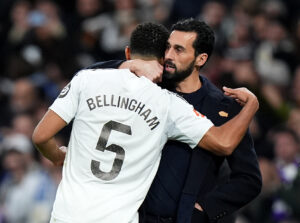
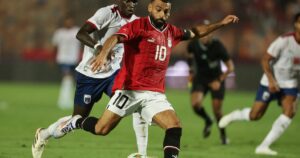
The Africa Cup of Nations (AFCON) is often a stage for unforgettable moments, both of triumph and despair. For Brahim Diaz, the 2027 edition threatened to be marred by a moment of profound disappointment. While representing Morocco, Diaz attempted a Panenka penalty in a crucial shootout, only to see it sail harmlessly over the crossbar, potentially costing his nation a place in the final. The miss sparked immediate reaction, ranging from disbelief to harsh criticism, and left Diaz visibly distraught.
The Context: A Nation’s Hopes on the Line
Morocco entered the AFCON tournament with high expectations. Boasting a talented squad and a passionate fanbase, the Atlas Lions were considered strong contenders. Their journey to the semi-final had been marked by solid performances and tactical discipline under the guidance of coach Walid Regragui. The semi-final clash was a tense affair, a close battle that ultimately ended in a draw, leading to the dreaded penalty shootout. The pressure was immense, with the weight of a nation’s aspirations resting on the shoulders of each player stepping up to the spot.
The Moment of Truth: Diaz’s Decision
When Diaz stepped up to take his penalty, the tension in the stadium was palpable. He chose to attempt a Panenka, a high-risk, high-reward technique that involves gently chipping the ball down the middle of the goal, relying on the goalkeeper to dive to either side. When executed perfectly, it’s a moment of audacious brilliance; when it fails, it’s a moment of crushing embarrassment. In Diaz’s case, the execution was flawed. The ball lacked sufficient height and direction, sailing harmlessly over the bar. The collective groan from the Moroccan fans echoed around the stadium, a stark illustration of the disappointment felt by an entire nation.
Immediate Reactions and Analysis
The immediate aftermath of the miss saw a flurry of reactions. Social media exploded with opinions, many critical of Diaz’s decision to attempt such a risky penalty in such a crucial moment. Some argued that a more conventional strike would have been a safer option, while others defended Diaz’s courage and willingness to take responsibility. Experts weighed in, analyzing the technique and questioning the decision-making process under pressure. The miss instantly became a talking point, overshadowing much of the positive work Diaz had contributed to the team throughout the tournament.
Diaz’s Performance Leading Up to the Penalty
It’s important to consider Diaz’s overall performance in the tournament before judging him solely on the penalty miss. Throughout the AFCON campaign, Diaz had shown flashes of brilliance, contributing to the team’s attacking play with his dribbling skills and creative passing. He displayed moments of skill and technical ability that highlighted his potential as a key player for Morocco. However, consistency had been an issue, and he hadn’t quite managed to replicate his club form on the international stage. He showed promise, but struggled to make a consistent impact in every game, leading to some questioning his role in the starting eleven.
The Psychological Impact of the Miss
The psychological impact of such a high-profile miss on a player like Diaz can be significant. The weight of responsibility, the public scrutiny, and the knowledge that his error potentially cost his team a place in the final can be incredibly difficult to bear. It’s crucial for Diaz to receive support from his teammates, coaches, and family to help him overcome this setback and regain his confidence. Sports psychologists emphasize the importance of focusing on the process rather than the outcome, learning from mistakes, and maintaining a positive mindset.
Coach Regragui’s Perspective
The reaction of coach Walid Regragui was closely watched. Regragui, known for his tactical acumen and man-management skills, faced the challenge of consoling a distraught player while also addressing the team’s disappointment. His public statements were likely carefully crafted to protect Diaz from excessive criticism and to maintain team morale. He would likely emphasize the importance of learning from the experience and moving forward as a united front. The coach’s ability to manage the situation and maintain team cohesion would be crucial in the aftermath of the penalty miss.
The Panenka Penalty: A History of Success and Failure
The Panenka penalty, named after Antonín Panenka, who famously used the technique to win the 1976 European Championship for Czechoslovakia, is a move fraught with risk. While it can be incredibly effective when executed perfectly, it requires immense composure and precision. History is littered with examples of both successful and failed Panenka attempts, highlighting the fine line between genius and folly. Players like Francesco Totti and Zinedine Zidane have successfully utilized the Panenka in high-pressure situations, while others, like Sergio Ramos on occasion, have seen their attempts backfire spectacularly.
Moving Forward: Diaz’s Future with Morocco
Despite the penalty miss, Brahim Diaz remains a valuable asset for the Moroccan national team. His talent and potential are undeniable, and he has the opportunity to learn from this experience and emerge as a stronger player. The key for Diaz is to focus on improving his consistency, refining his decision-making under pressure, and continuing to develop his overall game. With the right support and guidance, he can become a key figure for Morocco in future tournaments.
The Broader Impact on the Moroccan Team
The penalty miss and the subsequent elimination from the AFCON final will undoubtedly have a broader impact on the Moroccan team. It’s crucial for the team to regroup, analyze their performance, and identify areas for improvement. The disappointment can serve as a catalyst for growth, motivating the players to work harder and come back stronger in future competitions. The leadership within the team will play a vital role in ensuring that the setback doesn’t derail their long-term goals.
The Role of Pressure in Performance
The pressure associated with high-stakes football matches can significantly impact player performance. The ability to cope with pressure, maintain composure, and make sound decisions under duress is a crucial attribute for any successful footballer. The penalty shootout is perhaps the ultimate test of mental strength, where players are forced to perform under immense scrutiny. Diaz’s miss highlights the challenges of performing under such intense pressure, and underscores the importance of mental preparation and resilience.
The Fine Margins of Success and Failure in Football
The world of football is often defined by fine margins. A single moment of brilliance or a single error can be the difference between victory and defeat. Diaz’s penalty miss serves as a stark reminder of the unpredictable nature of the game and the importance of seizing opportunities when they arise. It also highlights the human element of the sport, where even the most talented players are capable of making mistakes.
The Importance of Support and Resilience
In the wake of such a public setback, the importance of support and resilience cannot be overstated. Diaz needs the unwavering support of his teammates, coaches, and family to help him overcome the disappointment and regain his confidence. He also needs to demonstrate resilience, learning from his mistake and using it as motivation to improve. The ability to bounce back from adversity is a hallmark of successful athletes, and Diaz has the potential to do just that.
The Global Reaction and Media Coverage
The incident garnered significant global attention, with media outlets worldwide reporting on Diaz’s penalty miss and its impact on Morocco’s AFCON campaign. The coverage ranged from factual reporting to opinion pieces dissecting the decision-making process and analyzing the psychological impact on Diaz. The widespread media attention further amplified the pressure on Diaz, highlighting the intense scrutiny that professional footballers face.
The Tactical Implications of the Missed Penalty
Beyond the immediate emotional impact, the missed penalty also had tactical implications for Morocco. Had Diaz scored, it could have shifted the momentum of the shootout and potentially altered the outcome of the match. The miss allowed the opposing team to maintain their confidence and ultimately prevail. The tactical ramifications of such a pivotal moment underscore the importance of precision and composure in high-pressure situations.
The Future of Moroccan Football
Despite the disappointment of the AFCON campaign, the future of Moroccan football remains bright. The Atlas Lions have a talented squad with a blend of experienced players and promising youngsters. With continued investment in youth development and a strong coaching structure, Morocco has the potential to become a dominant force in African football. The AFCON experience, including Diaz’s penalty miss, can serve as a valuable learning opportunity for the team as they strive for future success.
Fan Sentiments and Expectations
The passionate Moroccan fanbase had high expectations for their team entering the AFCON tournament. The penalty miss and the subsequent elimination were met with disappointment and frustration. However, the majority of fans recognize the talent within the squad and remain optimistic about the future. Their unwavering support will be crucial as the team looks to regroup and prepare for future competitions. The ability of the team to connect with and inspire the fans will be essential for maintaining a positive atmosphere and fostering a sense of national pride.
Comparing Diaz’s Situation to Other Penalty Misses
Throughout football history, numerous players have experienced the agony of missing crucial penalties. From Roberto Baggio’s miss in the 1994 World Cup final to John Terry’s slip in the 2008 Champions League final, these moments are etched in the memories of fans worldwide. Comparing Diaz’s situation to these other high-profile penalty misses can provide context and perspective, highlighting the common themes of pressure, disappointment, and the resilience required to overcome such setbacks.
The Importance of Mental Toughness in Football
Mental toughness is a critical attribute for success in professional football. The ability to cope with pressure, maintain focus, and bounce back from adversity is essential for navigating the challenges of the sport. Diaz’s penalty miss underscores the importance of mental preparation and resilience, highlighting the need for players to develop strategies for managing stress and maintaining a positive mindset under pressure.
The Legacy of the 2027 AFCON for Morocco
While the 2027 AFCON ended in disappointment for Morocco, it will undoubtedly leave a lasting legacy. The tournament provided valuable experience for the players, exposed areas for improvement, and highlighted the passion and support of the Moroccan fans. The lessons learned from this experience will be crucial as the team looks to build for the future and strive for success in future competitions. The legacy of the tournament will be defined not only by the results on the field but also by the growth and development of the players and the team as a whole.
The Future for Brahim Diaz
Brahim Diaz faces a critical juncture in his career. How he responds to this setback will define his trajectory. Will he succumb to the pressure and allow the miss to define him, or will he use it as fuel to become a better player? The answer lies in his mental fortitude, his dedication to improvement, and the support he receives from those around him. The potential is there for Diaz to become a key player for both club and country, but it will require resilience, hard work, and a unwavering belief in his abilities.
FAQ
What exactly is a Panenka penalty?
A Panenka penalty is a technique where the penalty taker gently chips the ball down the middle of the goal, relying on the goalkeeper to dive to one side. It’s a high-risk, high-reward strategy that requires precision and composure.
Why did Brahim Diaz attempt a Panenka in such a crucial moment?
The decision to attempt a Panenka is often a calculated risk. Players may choose this technique to exploit a perceived weakness in the goalkeeper’s anticipation or to showcase their confidence and composure. However, it’s a gamble that can backfire if not executed perfectly.
How has the Moroccan team supported Brahim Diaz after the penalty miss?
While specific details of the team’s internal support may not be publicly available, it’s typical for coaches and teammates to offer encouragement and reassurance to a player who has made a costly mistake. The focus is usually on maintaining team morale and helping the player regain their confidence.
What are the psychological effects of missing a crucial penalty?
Missing a crucial penalty can have a significant psychological impact on a player, leading to feelings of guilt, shame, and self-doubt. It can also affect their confidence and performance in future matches. Support from coaches, teammates, and sports psychologists is crucial for helping players overcome these challenges.
What can Brahim Diaz learn from this experience?
Brahim Diaz can learn valuable lessons about pressure management, decision-making under duress, and the importance of resilience. This experience can serve as a catalyst for growth, motivating him to improve his skills and mental toughness.
How will this affect Morocco’s chances in future tournaments?
While the AFCON elimination was a setback, it doesn’t necessarily diminish Morocco’s chances in future tournaments. The team has a talented squad and can learn from this experience to improve their performance in future competitions. The key is to maintain a positive attitude, work hard, and continue to develop as a team.