A Deep Dive into the Arctic Circle Upset

Bodo/Glimt’s Tactical Triumph Over Manchester City: A Deep Dive
The chill of the Arctic Circle seemed to seep into Manchester City’s performance as they suffered a surprising defeat at the hands of Bodo/Glimt in their recent Champions League encounter. While the headlines focused on the unprecedented gesture of City players refunding fans’ tickets after the disappointing result, the true story lies in the tactical brilliance displayed by the Norwegian champions. This wasn’t simply a case of an underdog getting lucky; it was a meticulously planned and expertly executed strategy that exposed vulnerabilities in Pep Guardiola’s usually impenetrable system.
Kjetil Knutsen’s Tactical Blueprint: Disrupting City’s Rhythm
Bodo/Glimt’s manager, Kjetil Knutsen, has built a reputation for his innovative and attacking style of play, and he adapted his approach perfectly for this high-stakes match. The core of his strategy revolved around disrupting Manchester City’s rhythm and preventing them from establishing their usual dominance in possession. This was achieved through a combination of a relentless high press, a well-organized defensive structure, and a willingness to commit players forward on the counter-attack.
The Relentless High Press: Forcing Errors and Winning Possession
One of the most striking aspects of Bodo/Glimt’s performance was their energetic and coordinated high press. From the opening whistle, they swarmed City’s defenders and midfielders whenever they attempted to play out from the back. This wasn’t a haphazard, disorganized press; it was a carefully orchestrated effort with clear triggers and well-defined roles for each player. The aim was to force City into making errors in their own half, win back possession in dangerous areas, and create scoring opportunities.
Specifically, Bodo/Glimt targeted City’s full-backs, often overloading one side of the pitch to force the ball wide. Once the ball was played to the full-back, the nearest Bodo/Glimt players would aggressively close down the space, preventing them from playing forward or switching the play. This forced City to either play a risky pass into the midfield, where they were met with further pressure, or to go long, surrendering possession to Bodo/Glimt.
The effectiveness of the high press was evident in the number of turnovers City conceded in their own half. These turnovers often led to dangerous attacks for Bodo/Glimt, putting City’s defense under constant pressure. The Norwegian side’s intensity and commitment to the press clearly rattled City’s players, disrupting their flow and preventing them from playing their usual passing game.
Defensive Solidity: Denying City Space and Opportunities
While their high press was crucial in disrupting City’s build-up play, Bodo/Glimt also demonstrated impressive defensive solidity when City managed to advance into their half. They typically defended in a compact 4-4-2 formation, denying City space between the lines and making it difficult for them to penetrate the penalty area. The two banks of four were disciplined and well-organized, tracking runners and closing down passing lanes.
A key aspect of their defensive strategy was their ability to limit the influence of City’s key playmakers. By crowding the midfield and denying them space to operate, Bodo/Glimt effectively neutralized their creativity and prevented them from dictating the tempo of the game. They were also adept at double-teaming City’s wingers, preventing them from isolating their full-backs and creating one-on-one opportunities.
Furthermore, Bodo/Glimt’s defenders were strong in the air and comfortable dealing with crosses, which helped them to clear any dangerous balls into the box. Their goalkeeper also made several crucial saves, denying City any clear-cut chances to score. The overall defensive effort was a testament to their organization, discipline, and commitment to protecting their goal.
Midfield Mastery: Winning the Battle in the Center of the Park
The midfield battle was arguably the most crucial aspect of the game, and Bodo/Glimt emerged victorious in this area. Their central midfielders were energetic, tenacious, and tactically astute, effectively disrupting City’s passing game and winning back possession. They were also quick to support the attack, providing an extra layer of creativity and goal-scoring threat.
Bodo/Glimt’s midfielders were particularly effective at closing down space and intercepting passes in the central areas. They were also adept at winning tackles and challenging for loose balls, preventing City from establishing control in the midfield. Their work rate and commitment were evident throughout the game, as they constantly harried and pressured City’s midfielders, forcing them into making mistakes.
In addition to their defensive contributions, Bodo/Glimt’s midfielders also played a key role in their attacking play. They were quick to transition from defense to attack, supporting the forwards and creating opportunities for them to score. Their passing was accurate and incisive, and they were always looking to play forward and create chances.
Counter-Attacking Prowess: Exploiting City’s Defensive Weaknesses
While their defensive organization and midfield dominance were impressive, Bodo/Glimt’s counter-attacking prowess was arguably their most potent weapon. They were quick to exploit any defensive weaknesses that City presented, launching swift and incisive counter-attacks whenever they won back possession. Their forwards were pacey, skillful, and clinical, capable of punishing any mistakes that City made.
Bodo/Glimt’s counter-attacks were often characterized by their directness and speed. They were quick to get the ball forward, bypassing the midfield and targeting City’s vulnerable defense. Their forwards were adept at running in behind the defense and exploiting any gaps or spaces that were available. Their clinical finishing ensured that they capitalized on the chances they created.
The effectiveness of their counter-attacking strategy was evident in the goals they scored. Each goal was a result of a well-executed counter-attack, exploiting City’s defensive vulnerabilities and showcasing Bodo/Glimt’s attacking prowess.
Pep Guardiola’s Response and City’s Struggles
Pep Guardiola, renowned for his tactical flexibility, attempted to adjust his team’s approach throughout the match, but Bodo/Glimt’s well-drilled system proved difficult to break down. City struggled to find their rhythm and were unable to impose their usual dominance on the game. Their passing was often sloppy, their movement was sluggish, and their overall performance lacked the intensity and precision that is typically associated with Guardiola’s teams.
One of the main reasons for City’s struggles was their inability to cope with Bodo/Glimt’s high press. They were often forced into making errors in their own half, surrendering possession and giving Bodo/Glimt opportunities to attack. Their midfielders were also unable to find space to operate, as they were constantly harassed and pressured by Bodo/Glimt’s energetic midfielders.
Furthermore, City’s defense looked vulnerable against Bodo/Glimt’s counter-attacks. Their defenders were often caught out of position, allowing Bodo/Glimt’s forwards to run in behind and create scoring opportunities. Their goalkeeper also had a difficult game, failing to make the saves that would have kept City in the match.
The Significance of the Victory
Bodo/Glimt’s victory over Manchester City was not just a shock result; it was a testament to their tactical brilliance, their hard work, and their unwavering belief in their own abilities. It was a victory that will be remembered for years to come, not only by the fans of Bodo/Glimt but also by football fans around the world. It showcased the potential of smaller clubs to compete with the giants of European football, provided they have a clear tactical plan and the players to execute it.
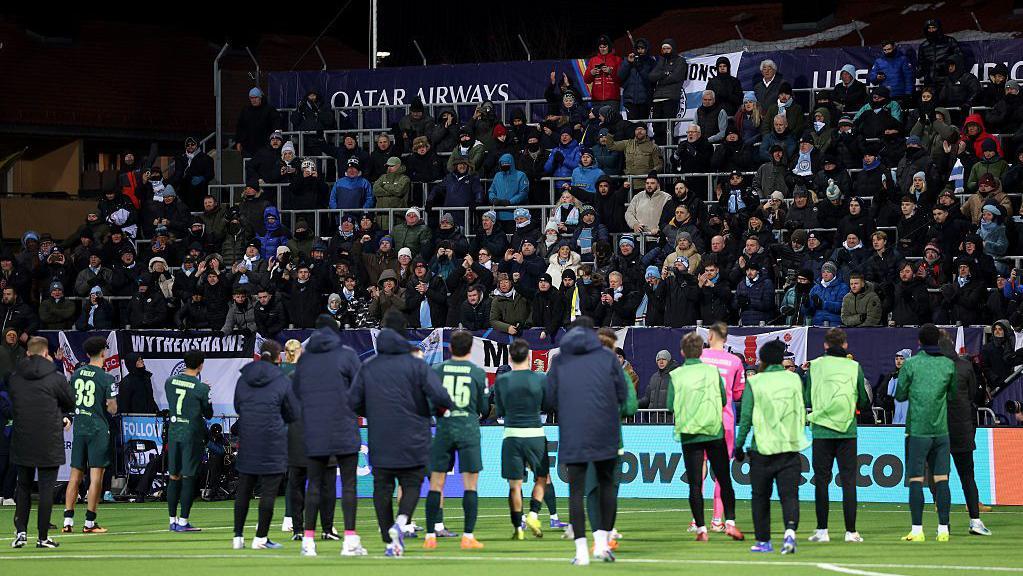
The decision by the Man City players to refund the tickets was a gesture of goodwill, recognizing the disappointment of their travelling fans. However, it doesn’t diminish the fact that Bodo/Glimt earned their victory through tactical superiority and a relentless work ethic.
Looking Ahead: Lessons Learned and Future Challenges
For Manchester City, the defeat served as a valuable lesson. It highlighted the importance of being prepared for any opponent, regardless of their reputation or stature. It also underscored the need for tactical flexibility and the ability to adapt to different playing styles. Guardiola will undoubtedly analyze the game in detail and look for ways to improve his team’s performance in future matches.
For Bodo/Glimt, the victory was a major boost to their confidence and a validation of their tactical approach. They will now look to build on this success and continue to challenge for honors in both domestic and European competitions. They have proven that they are a force to be reckoned with, and they will be eager to continue their impressive run of form.
FAQ Section
What was the key tactical element that led to Bodo/Glimt’s victory?
The key tactical element was Bodo/Glimt’s relentless and well-coordinated high press. This disrupted Manchester City’s build-up play, forced errors, and allowed Bodo/Glimt to win back possession in dangerous areas.
How did Bodo/Glimt neutralize Manchester City’s midfield?
Bodo/Glimt’s midfielders were energetic and tenacious, closing down space, intercepting passes, and winning tackles. They effectively crowded the midfield, denying City’s playmakers space to operate and preventing them from dictating the tempo of the game.
What role did counter-attacking play in Bodo/Glimt’s success?
Bodo/Glimt’s counter-attacking prowess was a crucial weapon. They were quick to exploit any defensive weaknesses that City presented, launching swift and incisive counter-attacks whenever they won back possession. Their pacey and clinical forwards capitalized on these opportunities.
Why did Manchester City struggle to adapt to Bodo/Glimt’s tactics?
Manchester City struggled to cope with Bodo/Glimt’s high press and defensive organization. They were forced into making errors, unable to find their rhythm, and their defense looked vulnerable against Bodo/Glimt’s counter-attacks.
What does this victory mean for Bodo/Glimt’s future?
The victory is a major boost to Bodo/Glimt’s confidence and a validation of their tactical approach. It showcases the potential of smaller clubs to compete with the giants of European football, providing they have a clear tactical plan and the players to execute it.