A Tactical Analysis Beyond the “Beer Summit

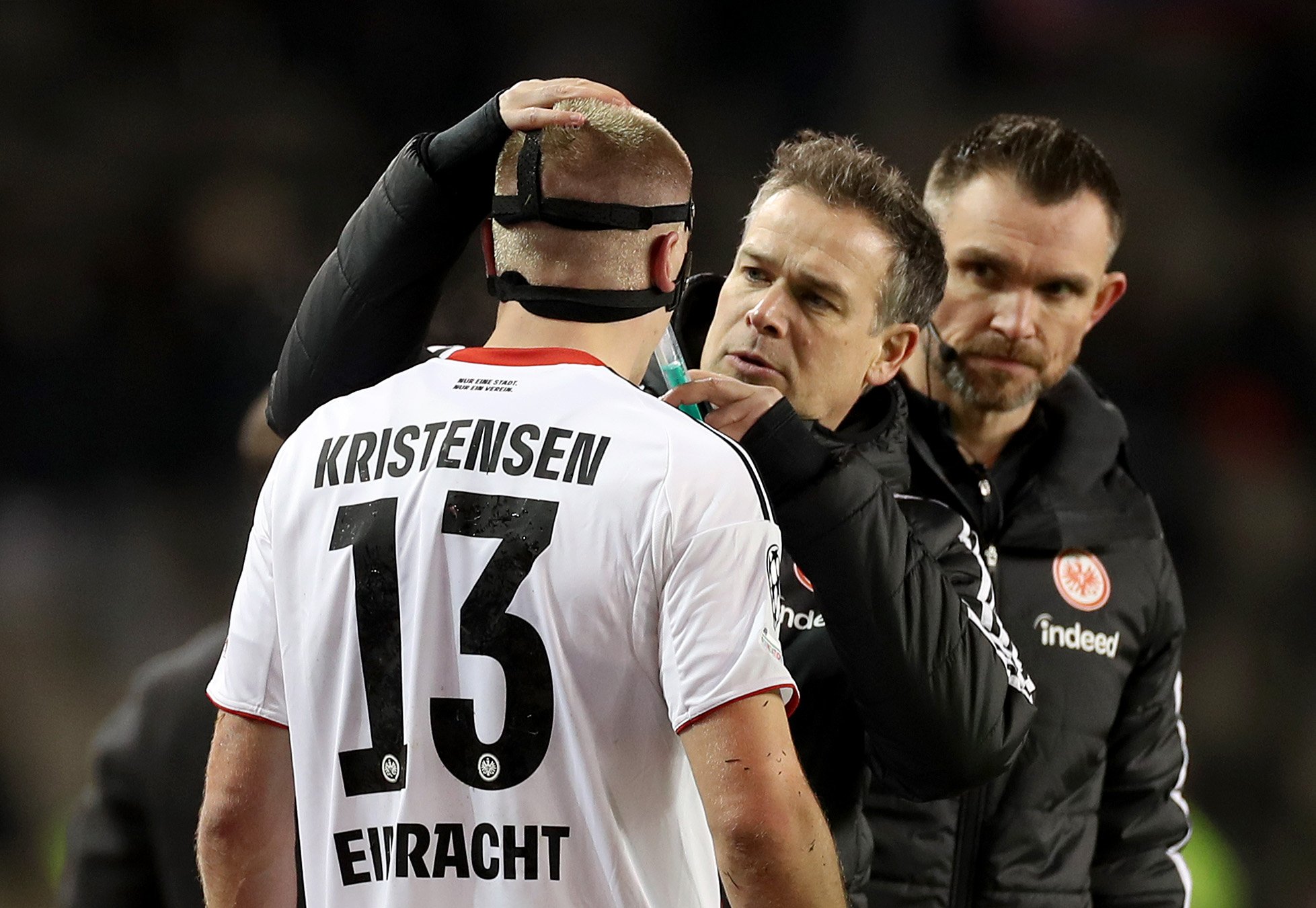
Rasmus Kristensen’s recent comments dismissing the idea of a “beer summit” as a solution to Eintracht Frankfurt’s defensive problems highlights a crucial point: addressing complex tactical issues requires more than just team bonding. While team spirit is undoubtedly important, a thorough analysis of Frankfurt’s defensive structure, individual performances, and tactical approaches is necessary to understand and rectify their current struggles. This article will delve into the specific areas where Frankfurt has been vulnerable, examining the tactical nuances that contribute to their defensive woes.
The Toppmöller System: A Foundation Under Pressure
Dino Toppmöller’s arrival at Eintracht Frankfurt brought with it a new tactical approach, aiming for a more proactive and possession-based style of play. This transition, however, has exposed vulnerabilities in their defensive organization. While the intention is to control games and limit the opposition’s opportunities, the execution has often fallen short, leading to defensive instability.
A key aspect of Toppmöller’s system is the high defensive line. This strategy aims to compress the space in midfield, allowing Frankfurt to win the ball back quickly and launch counter-attacks. However, a high line requires exceptional coordination, pace, and awareness from the defenders. When these elements are lacking, opponents can exploit the space behind the defense with through balls and quick transitions. We’ve seen evidence of this in multiple Bundesliga matches this season, with Frankfurt conceding goals due to lapses in concentration and poor decision-making when defending against balls over the top.
Pressing Problems: Intensity vs. Coordination
Another critical element of Frankfurt’s defensive strategy is their pressing game. The team aims to win the ball back high up the pitch, disrupting the opposition’s build-up play and creating scoring opportunities. However, their pressing has often been disjointed, lacking the necessary coordination and intensity. When the press is not executed effectively, it leaves gaps in midfield and allows the opposition to bypass the first line of defense too easily.
The issue isn’t necessarily a lack of effort, but rather a lack of synchronization. For a press to be successful, all players must be on the same page, closing down passing lanes and applying pressure simultaneously. When one or two players are out of position or fail to commit fully to the press, it creates opportunities for the opposition to exploit. Video analysis of recent matches reveals instances where Frankfurt’s players are not closing down passing lanes effectively, allowing the opposition to play through the press with relative ease.
Set-Piece Struggles: A Recurring Nightmare
Set-pieces have been a persistent Achilles’ heel for Eintracht Frankfurt this season. They have conceded a significant number of goals from corners, free-kicks, and throw-ins, highlighting a weakness in their defensive organization and aerial ability. This is not a new problem, and it’s one that Toppmöller needs to address urgently.
There are several factors contributing to Frankfurt’s set-piece struggles. One is the lack of height and physical presence in their defensive lineup. While they have some strong players, they are often outmatched by taller and more physical opponents. Another factor is the organization within the box. Frankfurt’s players often struggle to track their markers effectively, leading to unmarked players getting on the end of crosses and free-kicks. A more structured and disciplined approach to defending set-pieces is crucial to improving their defensive record.
Individual Errors: The Human Element
While tactical deficiencies play a significant role in Frankfurt’s defensive struggles, individual errors have also been a major contributing factor. Unforced errors, poor decision-making, and lapses in concentration have cost them valuable points in several matches. These errors can range from mistimed tackles and misplaced passes to poor positioning and failure to track runners.
Addressing individual errors requires a combination of coaching, training, and mental preparation. Players need to be drilled on the fundamentals of defending, such as positioning, tackling, and marking. They also need to develop their decision-making skills, learning when to commit to a tackle, when to drop back, and when to play the ball safe. Furthermore, mental preparation is crucial to maintaining focus and concentration throughout the match, especially in high-pressure situations. Regular video analysis sessions, where players can review their mistakes and learn from them, can also be beneficial.
Goalkeeper Concerns: A Need for Consistency
The goalkeeper position is also under scrutiny. While Kevin Trapp has been a reliable performer for Frankfurt in the past, his form has been inconsistent this season. He has made some crucial saves, but he has also been prone to errors, leading to questions about his long-term future at the club. A more consistent performance from the goalkeeper would undoubtedly help to shore up Frankfurt’s defense.
Beyond Trapp’s individual performances, the tactical setup also influences the goalkeeper’s effectiveness. A high defensive line, for example, requires the goalkeeper to be proactive and quick off his line to sweep up through balls and prevent opponents from getting in behind. If the goalkeeper is hesitant or slow to react, it can expose the defense and lead to scoring opportunities for the opposition. The communication between the goalkeeper and the defenders is also crucial, ensuring that they are all on the same page and working together to prevent goals.
Potential Solutions: A Path to Improvement
Addressing Frankfurt’s defensive problems requires a multifaceted approach, focusing on both tactical adjustments and individual improvement. Here are some potential solutions that Toppmöller and his coaching staff could consider:
* **Refining the Pressing Game:** Improve the coordination and intensity of the pressing game by focusing on specific triggers and closing down passing lanes more effectively.
* **Strengthening the Defensive Line:** Work on the communication and coordination of the defensive line, ensuring that they are all on the same page and able to anticipate the opposition’s movements. Consider adjusting the height of the defensive line depending on the opponent and the game situation.
* **Improving Set-Piece Defense:** Implement a more structured and disciplined approach to defending set-pieces, focusing on tracking markers and winning aerial duels. Consider bringing in a specialist set-piece coach to address this specific area of weakness.
* **Addressing Individual Errors:** Provide individual coaching and training to address specific areas of weakness, such as tackling, positioning, and decision-making. Emphasize the importance of mental preparation and focus.
* **Goalkeeper Coaching:** Ensure that Kevin Trapp receives specialized coaching to improve his consistency and decision-making. Consider exploring alternative options in the transfer market if his form does not improve.
* **Tactical Flexibility:** Developing a Plan B. Frankfurt need to be able to adapt their tactics depending on the opponent and the game situation. A rigid approach will always be exposed.
Ultimately, addressing Eintracht Frankfurt’s defensive woes requires a commitment to hard work, tactical discipline, and individual improvement. While a “beer summit” might foster team spirit, it is unlikely to solve the underlying tactical problems that are plaguing their defense. Only through a thorough analysis of their weaknesses and a concerted effort to address them can Frankfurt hope to improve their defensive record and achieve their goals this season.
The Midfield’s Role in Defensive Stability
While the spotlight often shines on the defenders, the midfield plays a pivotal role in providing defensive stability. A well-organized midfield can shield the defense, win back possession, and disrupt the opposition’s attacks before they even reach the backline. However, Frankfurt’s midfield has sometimes struggled to provide adequate cover, leaving the defense exposed.
The defensive midfielders, in particular, need to be more disciplined and proactive in their roles. They need to be able to read the game effectively, anticipate danger, and break up opposition attacks. They also need to be strong in the tackle and able to win aerial duels. Furthermore, their positioning is crucial, ensuring that they are always in the right place to intercept passes and prevent the opposition from playing through the midfield. When the midfield fails to provide adequate cover, it puts immense pressure on the defense and increases the likelihood of conceding goals.
The Importance of Tactical Awareness
Tactical awareness is a crucial attribute for any defender, allowing them to anticipate danger, make smart decisions, and position themselves effectively. However, Frankfurt’s defenders have sometimes lacked the necessary tactical awareness, leading to costly mistakes. This can manifest in various ways, such as failing to track runners, misjudging the flight of the ball, or making poor decisions under pressure.
Improving tactical awareness requires a combination of coaching, training, and experience. Players need to be drilled on the fundamentals of defending, such as positioning, marking, and tackling. They also need to develop their reading of the game, learning to anticipate the opposition’s movements and make smart decisions based on the situation. Furthermore, experience is invaluable, as it allows players to learn from their mistakes and develop a better understanding of the game. Regular video analysis sessions, where players can review their performances and learn from their mistakes, can also be beneficial.
Looking Ahead: The Road to Defensive Resilience
The road to defensive resilience is a long and challenging one, but it is one that Eintracht Frankfurt must embark on if they are to achieve their goals. By addressing their tactical deficiencies, improving individual performances, and fostering a culture of defensive discipline, they can transform themselves into a more solid and reliable team. It requires dedication, hard work, and a willingness to learn and adapt. The “beer summit” might be a nice gesture, but it is the tactical and technical improvements that will ultimately determine their success.
FAQ
Why is Eintracht Frankfurt struggling defensively?
Eintracht Frankfurt’s defensive struggles stem from a combination of factors, including a high defensive line that can be exploited, a disjointed pressing game lacking coordination, weaknesses in defending set-pieces, individual errors from players, and inconsistent goalkeeping performances. These issues, compounded by a relatively new tactical system under Dino Toppmöller, have led to defensive instability.
What is Rasmus Kristensen’s opinion on the team’s defensive issues?
Rasmus Kristensen believes that simply having a “beer summit” or team bonding session is not the solution to Eintracht Frankfurt’s defensive woes. He suggests that the problems are more complex and require a deeper tactical and technical analysis to address effectively.
How does Eintracht Frankfurt’s high defensive line contribute to their problems?
While a high defensive line aims to compress the midfield and win back possession quickly, it also leaves space behind the defense that opponents can exploit with through balls and quick transitions. This requires exceptional coordination, pace, and awareness from the defenders, which Frankfurt has sometimes lacked, leading to goals conceded.
What is the main problem with Eintracht Frankfurt’s pressing game?
The main problem is a lack of synchronization and coordination. While the team aims to win the ball back high up the pitch, the press is often disjointed, with players not closing down passing lanes effectively or applying pressure simultaneously. This allows the opposition to bypass the first line of defense too easily.
Why are Eintracht Frankfurt conceding so many goals from set-pieces?
Several factors contribute to this, including a lack of height and physical presence in the defensive lineup, poor organization within the box, and struggles to track markers effectively. These issues make them vulnerable to crosses, free-kicks, and throw-ins.
What role do individual errors play in Eintracht Frankfurt’s defensive struggles?
Individual errors, such as mistimed tackles, misplaced passes, poor positioning, and lapses in concentration, have cost Frankfurt valuable points in several matches. These errors highlight the need for improved coaching, training, and mental preparation to maintain focus and make better decisions under pressure.
How can Eintracht Frankfurt improve their defensive record?
Eintracht Frankfurt can improve their defensive record by refining their pressing game, strengthening their defensive line, improving their set-piece defense, addressing individual errors through coaching and training, and potentially seeking more consistent goalkeeping performances. A more flexible tactical approach is also necessary.
What is the midfield’s role in Eintracht Frankfurt’s defensive stability?
The midfield plays a crucial role in shielding the defense, winning back possession, and disrupting the opposition’s attacks. Defensive midfielders need to be disciplined, proactive, and strong in the tackle and aerial duels to provide adequate cover for the backline.
How important is tactical awareness for Eintracht Frankfurt’s defenders?
Tactical awareness is crucial, allowing defenders to anticipate danger, make smart decisions, and position themselves effectively. Improving tactical awareness requires coaching, training, and experience to develop a better understanding of the game and avoid costly mistakes.
Is a “beer summit” a viable solution for Eintracht Frankfurt’s defensive problems?
While a “beer summit” might foster team spirit, it is unlikely to solve the underlying tactical and technical problems that are plaguing their defense. A more comprehensive approach focusing on specific areas of weakness and consistent improvement is necessary for long-term defensive resilience.