A Tactical Analysis of the Gunners’ 3-1 Victory

Arsenal’s Tactical Triumph Over Inter Milan: A Detailed Breakdown
Arsenal’s impressive 3-1 victory over Inter Milan in their recent Champions League clash wasn’t just a win; it was a tactical statement. While a glaring error from Inter’s Brazilian wingback ultimately proved decisive, the Gunners’ well-executed game plan, built on high pressing, midfield dominance, and clinical counter-attacking, laid the foundation for their success. This analysis delves into the key tactical aspects that contributed to Arsenal’s triumph and exposed Inter’s vulnerabilities.
Arsenal’s High Pressing Strategy: Disrupting Inter’s Build-up
From the kickoff, Arsenal implemented a high-pressing system, aiming to disrupt Inter’s attempts to build from the back. Arteta’s side deployed a structured 4-3-3 formation, with the front three – Martinelli, Jesus, and Saka – aggressively closing down Inter’s center-backs and defensive midfielder, Brozovic. The objective was clear: force Inter into long balls or turnovers in dangerous areas.
This high press was particularly effective in the first half. Arsenal’s midfielders, Odegaard and Partey, played a crucial role in supporting the front line, anticipating passes and intercepting loose balls. This constant pressure forced Inter’s defenders into rushed clearances and inaccurate passes, ceding possession back to Arsenal in advantageous positions. Inter struggled to play through Arsenal’s press, often resorting to long balls towards their forwards, which Arsenal’s central defenders, Saliba and Gabriel, comfortably dealt with.
The effectiveness of Arsenal’s press can be attributed to several factors:
- **Coordination:** The front three and midfielders pressed as a unit, maintaining a compact shape and preventing Inter from playing through the lines.
- **Intensity:** Arsenal’s players demonstrated relentless energy, constantly closing down Inter’s players and forcing them into errors.
- **Intelligence:** The pressing triggers were well-defined, with Arsenal’s players pressing aggressively when Inter’s players received the ball with their back to goal or in tight spaces.
While Inter attempted to adjust their build-up play in the second half, Arsenal’s disciplined pressing continued to cause them problems, even though the intensity slightly diminished as the game wore on. This aggressive approach was a key element in Arsenal’s tactical superiority.
Midfield Battle: Arsenal’s Control and Inter’s Struggles
The midfield battle was another critical area where Arsenal gained a significant advantage. The partnership of Partey, Odegaard, and Rice provided Arsenal with a solid foundation, combining defensive solidity with creative flair. Partey anchored the midfield, shielding the defense and winning tackles, while Odegaard orchestrated Arsenal’s attacks with his intelligent passing and movement. Rice contributed both defensively and offensively, winning aerial duels and driving forward with the ball.
In contrast, Inter’s midfield struggled to assert control. Brozovic, usually a key figure in Inter’s midfield, was often isolated and unable to dictate the tempo of the game. Barella and Calhanoglu, while possessing individual quality, were unable to match Arsenal’s collective work rate and tactical discipline. Inter’s midfield struggled to win second balls and create opportunities for their forwards.
Arsenal’s midfield dominance allowed them to control possession and dictate the flow of the game. They were able to create numerous scoring opportunities, while also preventing Inter from launching sustained attacks. This control in midfield was a crucial factor in Arsenal’s overall success.
Inter’s Defensive Woes and the Costly Wingback Error
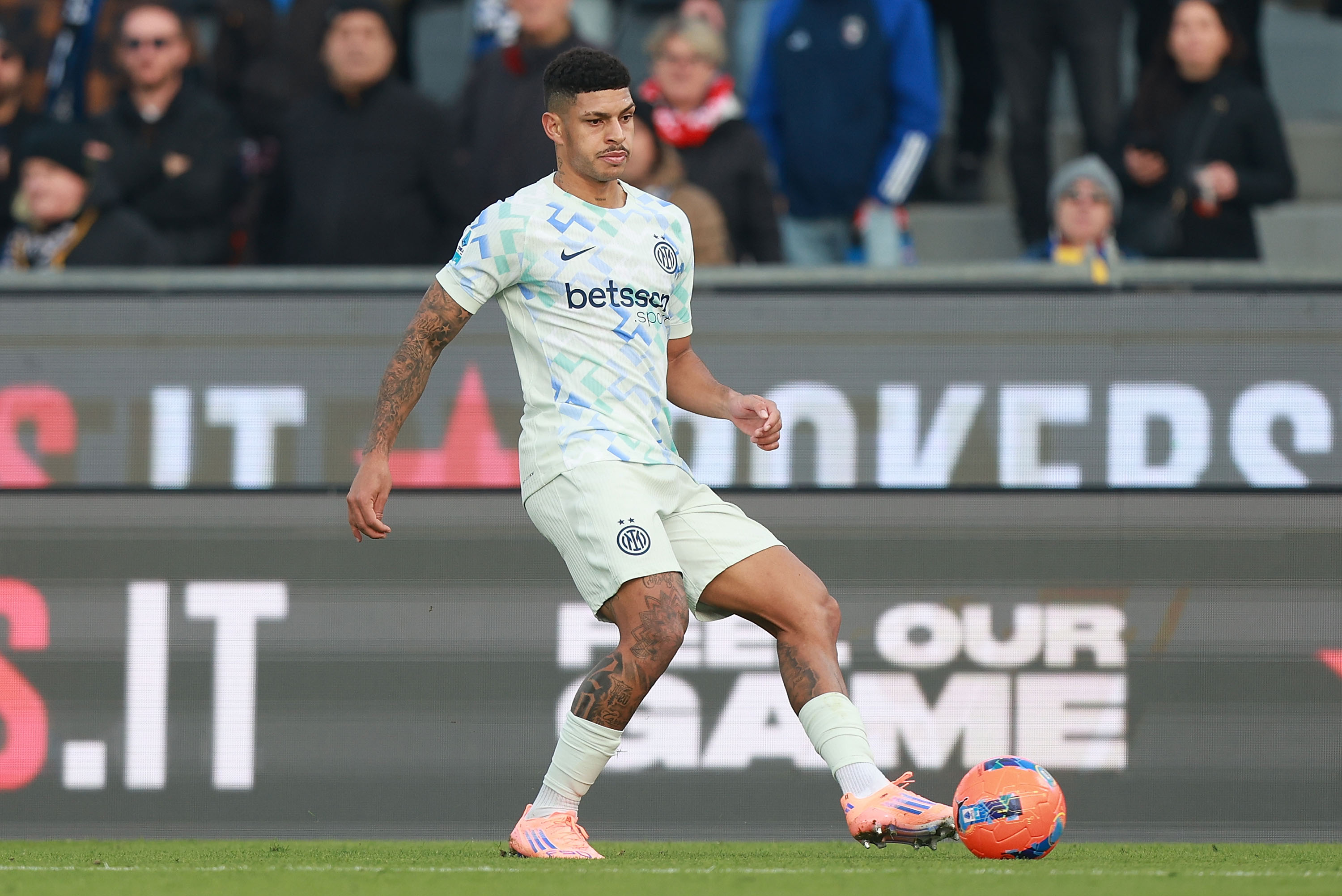
While Arsenal’s tactical brilliance played a significant role in their victory, Inter’s defensive frailties were also exposed. Throughout the game, Inter’s defense looked vulnerable, particularly in wide areas. The Brazilian wingback’s error, which directly led to Arsenal’s second goal, highlighted Inter’s defensive shortcomings.
The error stemmed from a combination of poor positioning, indecisiveness, and a lack of communication. The wingback failed to track Saka’s run, allowing the Arsenal winger to cut inside and deliver a dangerous cross. The wingback’s hesitation in clearing the ball resulted in a deflection, which fell perfectly for Jesus to score.
Beyond the individual error, Inter’s defensive structure was also questionable. Their fullbacks often struggled to contain Arsenal’s wingers, and their center-backs were vulnerable to pace and movement. Arsenal exploited these weaknesses effectively, creating numerous opportunities from wide areas.
Inter’s defensive struggles can be attributed to several factors:
- **Lack of Pace:** Inter’s central defenders lacked the pace to deal with Arsenal’s quick forwards.
- **Poor Positioning:** Inter’s defenders often found themselves out of position, allowing Arsenal’s players to exploit gaps in the defense.
- **Lack of Communication:** There was a lack of communication between Inter’s defenders, leading to confusion and errors.
While Inter attempted to tighten up their defense in the second half, Arsenal continued to create chances, ultimately sealing the victory with a late goal.
Arsenal’s Counter-Attacking Prowess
Arsenal’s ability to transition quickly from defense to attack was another key element of their game plan. They were able to exploit Inter’s defensive vulnerabilities on the counter-attack, creating numerous scoring opportunities. The pace and skill of Martinelli, Saka, and Jesus proved to be a constant threat to Inter’s defense.
Arsenal’s counter-attacks were characterized by their speed, precision, and decisiveness. They were able to quickly move the ball from defense to attack, catching Inter’s defenders off guard. The movement of Arsenal’s forwards was also crucial, as they constantly looked to run in behind Inter’s defense.
One particular counter-attack, which led to a clear-cut scoring opportunity, highlighted Arsenal’s prowess in this area. After winning possession in their own half, Arsenal quickly transitioned the ball forward, with Odegaard playing a perfectly weighted pass to Saka. Saka then drove towards the Inter goal before unleashing a powerful shot that was narrowly saved by the Inter goalkeeper.
Arsenal’s counter-attacking threat forced Inter to be more cautious in their attacking play, limiting their ability to commit players forward. This tactical advantage further contributed to Arsenal’s control of the game.
Arteta’s Tactical Masterclass vs. Inzaghi’s Adjustments
Mikel Arteta’s tactical setup proved superior to Simone Inzaghi’s approach. Arteta’s emphasis on high pressing, midfield control, and counter-attacking effectively neutralized Inter’s strengths and exposed their weaknesses. Inzaghi attempted to make adjustments throughout the game, but his changes were ultimately ineffective in stemming the tide.
In the second half, Inzaghi introduced fresh legs in midfield and attack, hoping to inject more energy and creativity into his side. However, Arsenal’s disciplined defending and tactical awareness prevented Inter from gaining a foothold in the game.
Arteta’s ability to anticipate Inzaghi’s moves and adjust his own tactics accordingly was a key factor in Arsenal’s victory. He demonstrated a deep understanding of Inter’s strengths and weaknesses, and he effectively exploited those weaknesses to his team’s advantage.
Conclusion: A Comprehensive Victory for Arsenal
Arsenal’s 3-1 victory over Inter Milan was a comprehensive performance, built on a foundation of tactical discipline, high pressing, midfield dominance, and clinical counter-attacking. While the Brazilian wingback’s error was a significant factor, Arsenal’s overall game plan was superior to Inter’s. Arteta’s tactical masterclass exposed Inter’s defensive frailties and secured a well-deserved victory for the Gunners. This win provides a significant boost to Arsenal’s Champions League campaign and demonstrates their growing maturity as a team.
FAQ
What was the key tactical difference between Arsenal and Inter Milan in this match?
The key tactical difference was Arsenal’s high-pressing system. They aggressively pressured Inter’s defense, forcing turnovers and disrupting their build-up play, while Inter struggled to effectively counter this tactic.
How did Arsenal exploit Inter Milan’s defensive weaknesses?
Arsenal exploited Inter’s defensive weaknesses through their pacey wingers and counter-attacking prowess. They targeted the flanks, where Inter’s fullbacks struggled to contain Arsenal’s attackers, and capitalized on defensive errors, particularly the costly mistake by the Brazilian wingback.
What role did Arsenal’s midfield play in their victory?
Arsenal’s midfield, consisting of Partey, Odegaard, and Rice, dominated the midfield battle. They controlled possession, won tackles, and created numerous scoring opportunities, effectively neutralizing Inter’s midfield and dictating the tempo of the game.
Was the Brazilian wingback’s error the sole reason for Inter Milan’s defeat?
While the Brazilian wingback’s error was a significant factor, it was not the sole reason for Inter Milan’s defeat. Arsenal’s superior tactical game plan, high-pressing system, midfield dominance, and clinical counter-attacking all contributed to their victory. The error simply compounded Inter’s existing vulnerabilities.
How did Mikel Arteta’s tactical decisions impact the outcome of the match?
Mikel Arteta’s tactical decisions had a significant impact on the outcome of the match. His emphasis on high pressing, midfield control, and counter-attacking effectively neutralized Inter’s strengths and exposed their weaknesses. His ability to anticipate Inzaghi’s moves and adjust his own tactics accordingly further contributed to Arsenal’s victory.