How Bayern Munich’s Fanbase Impacts the 2025/26 Season Despite Bans

The Shadow in the Stands: Bayern Ultras and Their Enduring Influence on the 2025/26 Season
The 2025/26 football season has been marked by thrilling matches, tactical innovations, and, perhaps less predictably, the persistent influence of banned ultra groups. Nowhere is this more evident than at Bayern Munich. Despite facing stadium bans and sanctions from both the club and UEFA, these dedicated, and often controversial, fans continue to find ways to impact the atmosphere, the team’s performance, and the overall narrative of the season.
The Ban and Its Aftermath: A Season of Cat and Mouse
The reasons for the bans levied against Bayern’s ultra groups are multifaceted. They often stem from the use of pyrotechnics, displays of offensive banners, and clashes with opposing fans or authorities. These actions, while intended to show unwavering support for their team, frequently violate stadium regulations and UEFA’s code of conduct. The club, keen to maintain a positive image and avoid hefty fines, has been forced to take a firm stance, resulting in the exclusion of certain ultra groups from Allianz Arena.
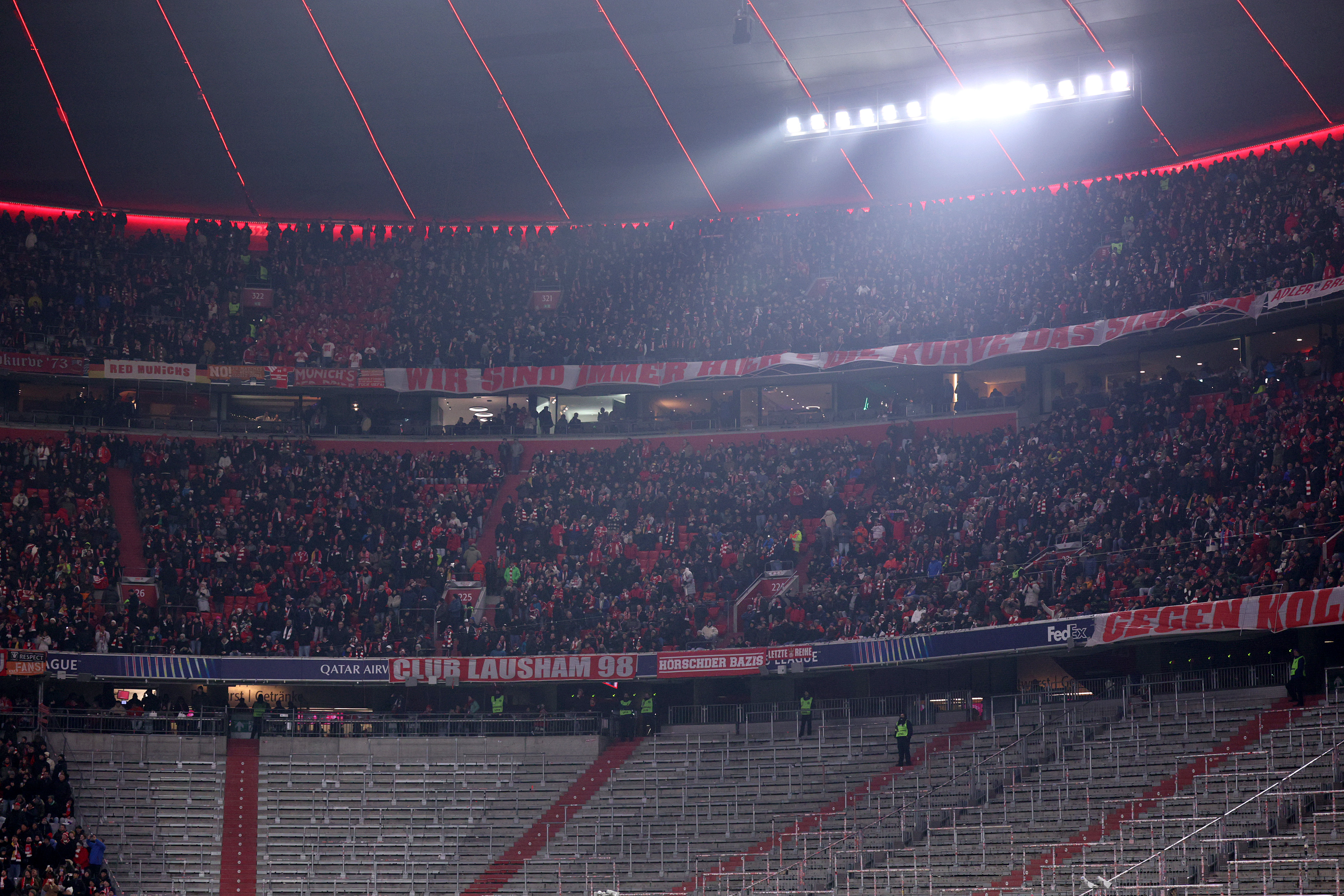
However, banning ultras is rarely a simple solution. These groups are deeply embedded in the club’s culture, and their absence can be keenly felt. The atmosphere at matches, typically electric and intimidating for opponents, can become noticeably subdued. This drop in vocal support can, in turn, impact the players on the pitch. Some argue that the ultras’ passion fuels the team, providing an extra edge in crucial games. Without their presence, Bayern might lack the same intensity and drive.
Furthermore, the bans haven’t necessarily silenced the ultras. Instead, they have adapted, finding creative ways to express their support and make their presence felt. Examples include:
- **Outside the Stadium:** Gathering in large numbers outside the Allianz Arena on match days, creating a vibrant (and sometimes disruptive) atmosphere that can still be felt inside the stadium. These gatherings often include chants, songs, and displays of banners, ensuring their message is heard.
- **Away Games:** Traveling to away games in large numbers, often outnumbering the home support, and making their presence known. This can provide a significant boost to the team when playing away from home.
- **Social Media Campaigns:** Utilizing social media platforms to voice their opinions, organize protests, and coordinate actions. This allows them to bypass stadium restrictions and reach a wider audience.
- **Coordinated Displays (Even Undercover):** Despite increased security measures, ultras have been known to smuggle in banners and pyrotechnics, staging coordinated displays during key moments of the game. This requires meticulous planning and a deep understanding of the stadium’s security protocols.
The Impact on Team Performance: More Than Just Noise
The debate rages on: do ultras genuinely impact team performance? While it’s impossible to quantify the effect precisely, anecdotal evidence suggests that their presence can be a significant factor. Players often speak of the boost they receive from the vocal support of the fans, particularly in high-pressure situations. The absence of that support, conversely, can lead to a feeling of detachment and a lack of intensity.
In the 2025/26 season, Bayern’s home form has been somewhat inconsistent. While they have secured comfortable victories against weaker opponents, they have struggled against top teams, particularly in the Champions League. Some analysts attribute this inconsistency, at least in part, to the diminished atmosphere at the Allianz Arena. The lack of a unified and vociferous support base can make it easier for opposing teams to play their game and stifle Bayern’s attacking flair.
Furthermore, the ongoing conflict between the club and the ultras can create a sense of unease and division within the fanbase. This can manifest itself in lower attendance figures, a less enthusiastic atmosphere, and even protests against the club’s management. All of this can have a negative impact on the team’s morale and performance.
Beyond the Bans: Addressing the Root Causes
Banning ultra groups is often seen as a reactive measure, addressing the symptoms of a deeper problem rather than the root cause. To truly resolve the issue, Bayern Munich needs to engage in a constructive dialogue with its ultra groups, understanding their concerns and addressing their grievances. This could involve:
- **Creating Designated Fan Zones:** Establishing designated areas within the stadium where fans can express their support in a controlled and safe environment. This could involve allowing the use of certain types of pyrotechnics under strict supervision.
- **Improving Communication:** Establishing a clear and open line of communication between the club’s management and the ultra groups. This would allow for a better understanding of each other’s perspectives and facilitate the resolution of conflicts.
- **Addressing Legitimate Concerns:** Acknowledging and addressing the legitimate concerns of the ultra groups, such as the rising cost of tickets and the commercialization of football.
- **Involving Ultras in Club Decisions:** Involving representatives from the ultra groups in certain club decisions, such as the design of new kits or the planning of fan events. This would give them a greater sense of ownership and involvement in the club’s affairs.
By adopting a more proactive and inclusive approach, Bayern Munich can potentially bridge the gap between the club and its ultra groups, creating a more unified and supportive fanbase. This, in turn, could have a positive impact on the team’s performance and the overall atmosphere at the Allianz Arena.
UEFA’s Stance: A Continental Perspective
UEFA’s involvement adds another layer of complexity to the situation. The governing body has a zero-tolerance policy towards the use of pyrotechnics and other forms of disruptive behavior in stadiums. Clubs that fail to comply with these regulations face hefty fines and even stadium closures. This puts immense pressure on clubs like Bayern Munich to crack down on their ultra groups.
However, UEFA’s approach has been criticized for being overly punitive and for failing to recognize the cultural significance of ultra groups in European football. Many argue that a more nuanced approach is needed, one that takes into account the specific circumstances of each case and focuses on fostering a positive and respectful relationship between clubs and their fans.
The challenge for UEFA is to find a balance between maintaining order and safety in stadiums and preserving the unique atmosphere and passion that ultra groups bring to the game. This requires a willingness to engage in dialogue with fan groups, listen to their concerns, and explore alternative solutions that address the root causes of the problem.
Looking Ahead: The Future of Bayern’s Fan Culture
The relationship between Bayern Munich and its ultra groups remains a complex and evolving one. While the bans have undoubtedly had an impact on the atmosphere at the Allianz Arena, they have not silenced the ultras. These dedicated fans continue to find ways to express their support and make their presence felt, both inside and outside the stadium.
The key to resolving the ongoing conflict lies in open communication, mutual understanding, and a willingness to find common ground. By engaging in a constructive dialogue with its ultra groups, Bayern Munich can potentially create a more unified and supportive fanbase, one that contributes positively to the team’s performance and the overall atmosphere at the club.
The 2025/26 season serves as a reminder of the enduring power and influence of ultra groups in modern football. While their actions may sometimes be controversial, their passion and dedication are undeniable. The challenge for clubs and governing bodies is to harness that passion in a positive and constructive way, creating a vibrant and inclusive fan culture that benefits the entire game.
FAQ: Bayern Munich Ultras and Their Impact
Why are Bayern Munich ultras often banned from matches?
Bayern Munich ultras are often banned due to violations of stadium regulations and UEFA’s code of conduct. These violations typically include the use of pyrotechnics (flares, smoke bombs), displays of offensive banners, and engaging in clashes with opposing fans or authorities. The club and UEFA impose these bans to maintain safety, prevent disruptive behavior, and avoid fines.
How do these bans affect the atmosphere at the Allianz Arena?
The absence of ultras can significantly diminish the atmosphere at the Allianz Arena. Ultras are known for their passionate and vocal support, creating an intimidating environment for opposing teams. Without their presence, the stadium can feel less vibrant and energetic, potentially impacting the team’s morale and performance.
What alternative ways do ultras use to support Bayern Munich despite being banned?
Despite facing bans, ultras often find alternative ways to support Bayern Munich. These include gathering outside the stadium on match days, traveling to away games in large numbers, organizing social media campaigns to voice their opinions, and sometimes even coordinating undercover displays inside the stadium by smuggling in banners or pyrotechnics.
Do ultras really have an impact on the team’s performance on the field?
The extent of the impact is debatable, but many believe that ultras can influence the team’s performance. Players often acknowledge the boost they receive from the vocal support of the fans, especially during crucial moments. The absence of this support can potentially lead to a feeling of detachment and a lack of intensity, particularly in home games.
What can Bayern Munich do to improve its relationship with the ultra groups?
To improve the relationship, Bayern Munich could engage in a constructive dialogue with its ultra groups, understand their concerns, and address their grievances. This could involve creating designated fan zones within the stadium, improving communication channels, addressing legitimate concerns such as ticket prices, and even involving ultra representatives in certain club decisions.
What is UEFA’s stance on the behavior of ultra groups in European football?
UEFA has a strict policy against the use of pyrotechnics and other forms of disruptive behavior in stadiums. Clubs that fail to comply with these regulations face fines and stadium closures. UEFA aims to maintain order and safety in stadiums, but this approach has been criticized for being overly punitive and for not fully recognizing the cultural significance of ultra groups in some European countries.
How might the relationship between Bayern Munich and its ultras evolve in the future?
The future relationship depends on both the club and the ultra groups being willing to engage in open communication and find common ground. A more inclusive and understanding approach from the club could lead to a more unified and supportive fanbase. This would require Bayern Munich to address the ultras’ concerns and potentially involve them more in club affairs, while the ultras would need to respect stadium regulations and avoid disruptive behavior.