A Deep Dive into the América vs. Atlético Derby Chaos

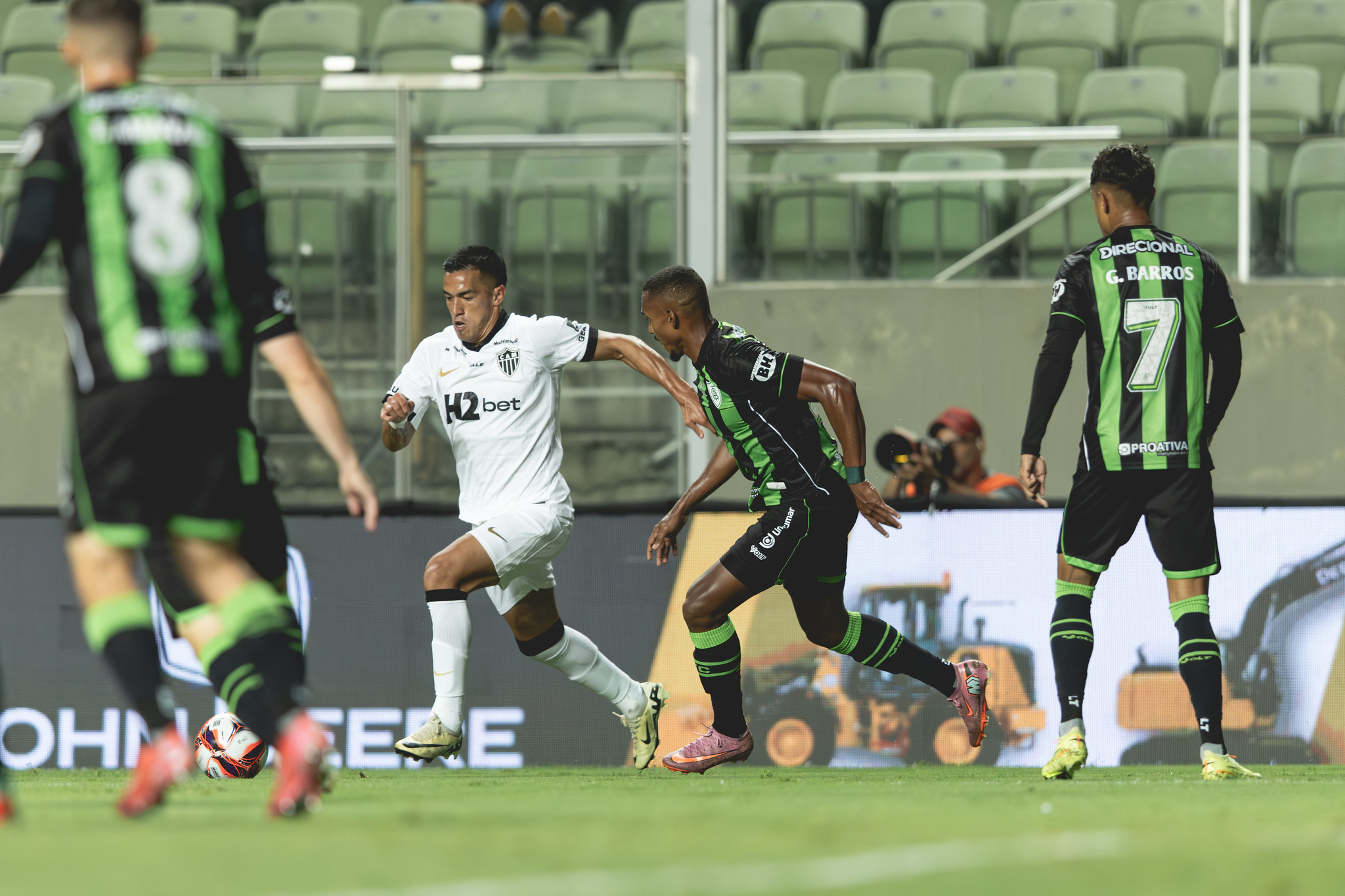
A Derby Divided: Tactical Nuances and VAR Drama in América vs. Atlético
The recent derby between América and Atlético ended in a draw, but the scoreline barely scratches the surface of a match overflowing with tactical intrigue, controversial VAR decisions, and a palpable sense of animosity. This wasn’t just a game; it was a microcosm of Liga MX’s passion and its ongoing struggle with consistency in officiating. Let’s delve into the tactical decisions, key moments, and underlying narratives that shaped this captivating encounter.
Initial Formations and Tactical Approaches
América, under their manager, initially lined up in a 4-3-3 formation, aiming to utilize their wingers’ pace and trickery to exploit the flanks. Their midfield trio was tasked with controlling possession and dictating the tempo of the game. A key element of their strategy was to press high up the pitch, forcing Atlético into errors and winning back possession in dangerous areas. This aggressive approach, however, also left them vulnerable to counter-attacks.
Atlético, on the other hand, adopted a more pragmatic 4-4-2, prioritizing defensive solidity and looking to hit América on the break. Their two banks of four aimed to stifle América’s creative players and limit their space in the final third. Upfront, their strike partnership focused on exploiting any gaps in América’s defense with pace and direct running. Their overall game plan was to absorb pressure and capitalize on set-piece opportunities and counter-attacking scenarios.
Midfield Battle: The Heart of the Game
The midfield battle proved crucial in determining the flow of the match. América’s midfield trio, usually dominant, found themselves facing a well-organized and disciplined Atlético midfield four. The home side struggled to break down the opposition’s lines and were often forced into playing long balls, which Atlético’s defenders comfortably dealt with. The Atlético midfield, while not as technically gifted, compensated with their work rate and tactical awareness, effectively disrupting América’s build-up play and winning crucial second balls.
A key tactical adjustment from Atlético was their tight marking of América’s playmaker. By denying him space and time on the ball, they significantly reduced América’s attacking threat. This forced América to rely on their wingers for creativity, but Atlético’s full-backs were well-drilled and limited their impact. The central midfielders of Atlético also made sure to track back and support the defence, making it extremely difficult for América to pass through the middle.
VAR Controversy and Red Cards: Turning Points
The game was heavily influenced by VAR decisions and disciplinary actions. The first red card, shown to an América player for a reckless challenge, significantly altered the dynamic of the match. This forced América to reshuffle their formation and adopt a more cautious approach. Atlético, now with a numerical advantage, began to assert more control over the game. This incident highlighted the importance of discipline and the potential for individual errors to impact the overall outcome of the match.
The subsequent VAR intervention, which led to a penalty for Atlético, further fueled the controversy. While the decision itself was debatable, it underscored the growing reliance on technology in football and the ongoing debate about its impact on the game’s flow and spirit. The penalty, duly converted, put Atlético ahead and further compounded América’s woes. The VAR decisions were heavily scrutinized by pundits and fans alike, raising questions about consistency and interpretation of the rules.
Set Pieces: A Decisive Factor
Set pieces played a significant role in the match, with both teams creating chances from corners and free-kicks. Atlético, in particular, looked dangerous from set plays, utilizing their height and physicality to good effect. Their goal from a corner kick highlighted their effectiveness in this area. América, on the other hand, struggled to convert their set-piece opportunities, lacking the same level of coordination and precision. The importance of set-piece training and execution was clearly evident in this match.
Atlético’s set-piece strategy involved a combination of near-post runs, flick-ons, and players lurking at the far post. Their delivery was consistently accurate, causing problems for América’s defenders. América’s defensive organization during set-pieces was questionable, with players often losing their markers and failing to clear the ball effectively. This vulnerability ultimately cost them a goal and almost led to further concessions.
Defensive Structures Under Pressure
Both teams’ defensive structures were tested throughout the match. América’s high defensive line was often exposed by Atlético’s quick counter-attacks, while Atlético’s deep block was challenged by América’s persistent probing. The effectiveness of each team’s defensive approach varied depending on the game’s circumstances. When América were down to ten men, their defensive organization became more compact and resilient, making it difficult for Atlético to break them down. Atlético, however, struggled to maintain their defensive shape when under sustained pressure, leading to some nervy moments in the closing stages of the game.
A key aspect of América’s defensive strategy was their reliance on their central defenders to win aerial duels and clear crosses. However, they were often outnumbered by Atlético’s attackers, particularly during set-pieces. Atlético’s defensive structure was predicated on their two banks of four, which aimed to deny América space and force them into wide areas. Their full-backs were disciplined and rarely ventured forward, prioritizing defensive stability over attacking support.
Substitutions and Tactical Adjustments
Both managers made substitutions throughout the game, attempting to influence the match’s outcome. América’s coach brought on fresh legs in midfield and attack, hoping to inject some creativity and energy into their play. Atlético’s manager, on the other hand, opted for more defensive-minded substitutions, aiming to protect their lead and see out the game. These tactical adjustments had a noticeable impact on the flow of the match, with both teams adapting their strategies in response to the changing circumstances.
América’s substitutions initially provided a spark, with the new players injecting some much-needed pace and urgency into their attack. However, Atlético’s defensive substitutions proved effective in stifling América’s renewed offensive efforts. The game ultimately ended in a draw, highlighting the importance of tactical flexibility and the ability to adapt to changing circumstances.
Conclusion: A Derby of High Drama and Tactical Complexity
The América vs. Atlético derby was a captivating encounter that showcased the passion and intensity of Liga MX. While the scoreline may suggest a stalemate, the match was anything but uneventful. The tactical nuances, VAR controversies, red cards, and set-piece battles all contributed to a compelling narrative. Both teams demonstrated their strengths and weaknesses, highlighting the ongoing evolution of their tactical approaches. This derby will undoubtedly be remembered as a classic, filled with drama and controversy, leaving fans eagerly anticipating the next installment.
FAQ
What formation did América primarily use in the derby?
América initially lined up in a 4-3-3 formation, focusing on utilizing their wingers and controlling the midfield.
What was Atlético’s main tactical approach in the match?
Atlético adopted a pragmatic 4-4-2, prioritizing defensive solidity and looking to counter-attack effectively.
How did the red card impact América’s game plan?
The red card forced América to reshuffle their formation, adopting a more cautious approach and limiting their attacking options.
What role did VAR play in the outcome of the derby?
VAR played a significant role, intervening to award a penalty to Atlético and contributing to the overall controversy surrounding the match.
Were set pieces a key factor in the game?
Yes, set pieces were a decisive factor, with Atlético scoring from a corner kick and creating several other dangerous opportunities.
How effective were the substitutions made by both managers?
The substitutions had a noticeable impact, with both teams adapting their strategies in response to the changing circumstances, although Atlético’s defensive substitutions were arguably more effective in the long run.
What was the main strength of Atlético’s midfield?
Atlético’s midfield, while not as technically gifted as América’s, compensated with their work rate, tactical awareness, and tight marking of key opposition players.
What defensive vulnerabilities did América expose?
América’s high defensive line was often exposed by Atlético’s quick counter-attacks, highlighting a vulnerability to pace and direct running.
How did Atlético’s defensive structure aim to contain América’s attack?
Atlético’s defensive structure, based on two banks of four, aimed to deny América space in central areas and force them into wider positions.
What is the overall significance of this derby result for both teams?
The draw represents a missed opportunity for both teams. América will rue the red card and VAR decisions, while Atlético may feel they could have capitalized more on their numerical advantage to secure a victory.