A Financial Powerhouse

Liverpool’s Reign at the Top: A Deep Dive into the Deloitte Money League
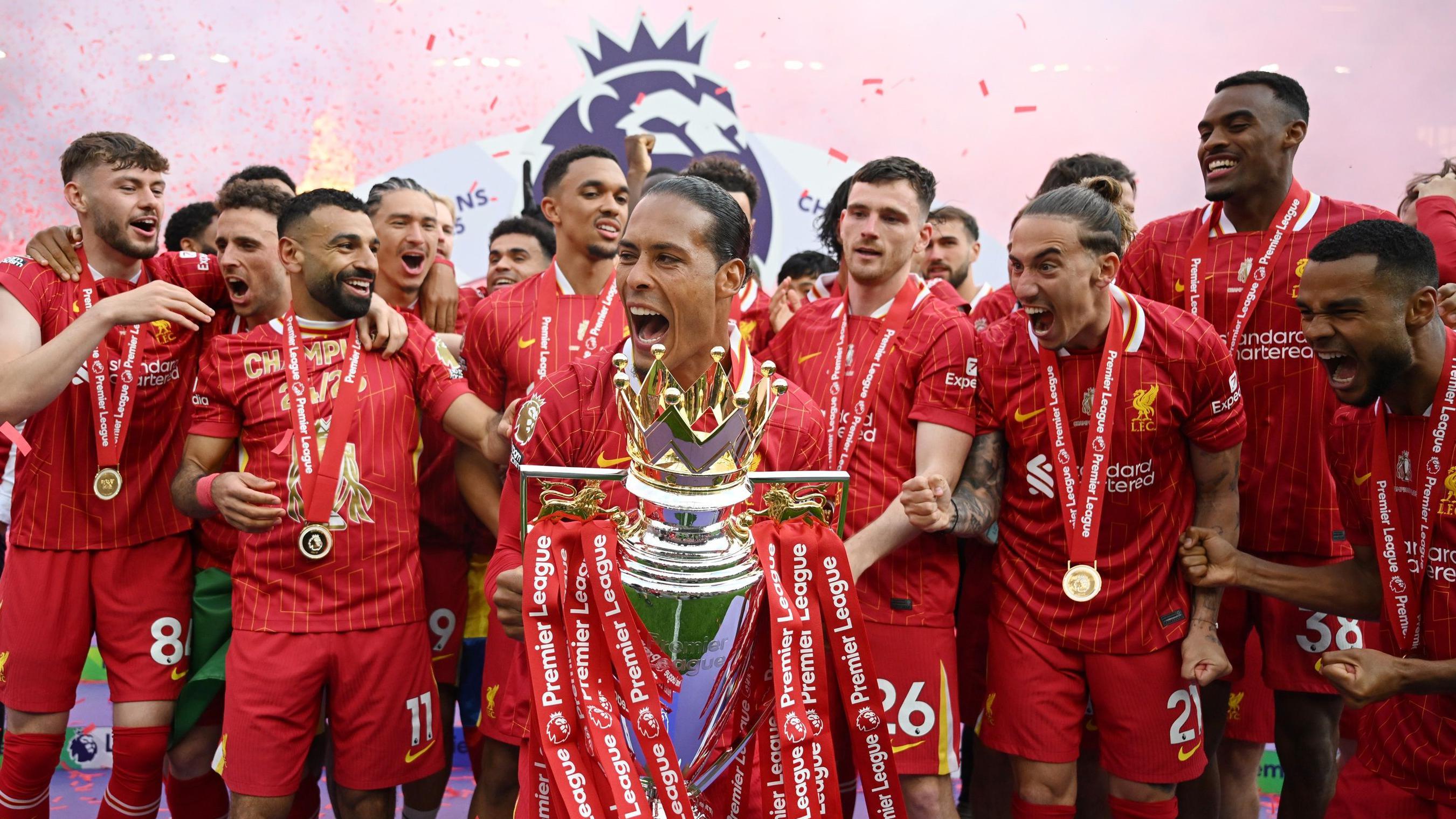
The roar of the Anfield crowd, the thrill of a last-minute goal, the glitz and glamour of European nights – these are the images that often spring to mind when thinking about Liverpool Football Club. But behind the on-field spectacle lies a sophisticated financial operation, one that has propelled the club to the summit of English football and established them as a global powerhouse. The latest Deloitte Football Money League report underscores this financial strength, positioning Liverpool as the leading English club in terms of revenue generation.
This achievement is not merely a matter of luck; it’s the culmination of strategic planning, shrewd investments, and a deep understanding of the modern football landscape. Liverpool’s success both on and off the pitch has fueled its financial growth, creating a virtuous cycle of revenue generation and reinvestment.
Understanding the Deloitte Football Money League
The Deloitte Football Money League is an annual publication that ranks football clubs worldwide based on their revenue generation during a single season. It provides a comprehensive overview of the financial performance of the world’s wealthiest clubs, offering valuable insights into the evolving economics of the sport. The report analyzes revenue streams across three primary categories: matchday revenue (ticket sales and related income), broadcast revenue (television rights and media deals), and commercial revenue (sponsorships, merchandising, and other commercial activities).
The Money League has become a benchmark for assessing the financial health and competitiveness of football clubs. A high ranking indicates a club’s ability to attract fans, secure lucrative sponsorship deals, and generate significant revenue from broadcasting rights. This financial strength, in turn, allows clubs to invest in top players, improve infrastructure, and ultimately compete for major trophies.
Liverpool’s Revenue Breakdown: A Three-Pronged Attack
Liverpool’s position at the top of the English contingent in the Deloitte Money League is built on a diversified revenue model, excelling in all three key areas: matchday, broadcast, and commercial. Let’s examine each of these in detail:
Matchday Revenue: The Anfield Advantage
Anfield, Liverpool’s iconic home stadium, plays a crucial role in the club’s financial success. The stadium’s capacity, combined with the unwavering loyalty of the Liverpool fanbase, ensures consistently high matchday revenue. The atmosphere generated within Anfield is legendary, attracting fans from around the world and contributing significantly to the club’s coffers. Further stadium expansion projects have also contributed to increased matchday revenues in recent years.
Broadcast Revenue: Premier League and Champions League Riches
The Premier League’s global popularity and lucrative broadcasting deals provide a significant financial boost to all participating clubs. However, Liverpool’s consistent participation in the Champions League further enhances their broadcast revenue. The Champions League offers not only substantial prize money but also increased exposure to a global audience, attracting more lucrative sponsorship deals and driving up the value of broadcasting rights.
Commercial Revenue: A Global Brand
Liverpool’s global brand is a major asset in generating commercial revenue. The club has cultivated a strong brand identity, synonymous with success, tradition, and passionate support. This brand appeal attracts a wide range of sponsors, from sportswear giants to multinational corporations. Merchandising, licensing agreements, and other commercial activities also contribute significantly to the club’s revenue stream. The club’s savvy use of digital platforms and social media has further amplified its brand reach and engagement, driving commercial growth.
Factors Contributing to Liverpool’s Financial Success
Several key factors have contributed to Liverpool’s ascent to the top of the Deloitte Money League among English clubs:
- On-Field Success: Winning major trophies, such as the Premier League and the Champions League, has significantly boosted the club’s profile and attractiveness to sponsors. Success on the pitch translates directly into increased revenue off the pitch.
- Strategic Management: The club’s ownership and management have implemented a long-term strategic plan focused on sustainable growth. This includes investing in infrastructure, developing young talent, and building a strong team both on and off the pitch.
- Global Brand Appeal: Liverpool’s rich history, passionate fanbase, and iconic status have made it a globally recognized brand. This brand appeal attracts fans and sponsors from all corners of the world.
- Effective Commercial Partnerships: The club has cultivated strong relationships with key commercial partners, securing lucrative sponsorship deals that provide a significant revenue stream.
- Digital Transformation: Liverpool has embraced digital technology to enhance fan engagement, expand its global reach, and drive commercial growth. This includes investing in social media, e-commerce platforms, and data analytics.
The Impact of Financial Strength on Liverpool’s Future
Liverpool’s financial strength has a profound impact on the club’s future prospects. It allows them to:
- Invest in Top Players: The club can afford to attract and retain world-class players, strengthening the team and increasing its chances of success on the pitch.
- Improve Infrastructure: Financial resources can be used to upgrade training facilities, expand the stadium, and invest in other infrastructure improvements that enhance the club’s operations.
- Develop Young Talent: The club can invest in its academy and youth development programs, nurturing future stars and ensuring a sustainable pipeline of talent.
- Compete for Major Trophies: Financial strength provides a competitive advantage, allowing the club to compete with the world’s wealthiest teams for major trophies.
- Maintain Financial Stability: A strong financial foundation provides stability and allows the club to weather economic downturns and unexpected challenges.
Challenges and Opportunities Ahead
Despite its current financial strength, Liverpool faces several challenges and opportunities in the years ahead:
- Increased Competition: The financial landscape of football is constantly evolving, with new clubs emerging as financial powerhouses. Liverpool must continue to innovate and adapt to maintain its competitive edge.
- Financial Fair Play Regulations: UEFA’s Financial Fair Play regulations aim to promote financial stability and prevent clubs from spending beyond their means. Liverpool must comply with these regulations to avoid penalties.
- The Evolving Media Landscape: The way fans consume football is changing rapidly, with streaming services and digital platforms becoming increasingly popular. Liverpool must adapt its media strategy to capitalize on these trends.
- Sustainable Growth: The club must focus on sustainable growth, ensuring that its financial success is not dependent on short-term factors or unsustainable spending.
- Expanding Global Reach: Liverpool has the opportunity to further expand its global reach, attracting new fans and sponsors from emerging markets.
The Future of Liverpool’s Financial Dominance
Liverpool’s position as the leading English club in the Deloitte Money League is a testament to its financial strength and strategic management. By continuing to invest in its team, infrastructure, and global brand, the club can maintain its competitive edge and secure its long-term financial future. The roar of Anfield will continue to fuel the club’s success, both on and off the pitch, as Liverpool strives to remain at the pinnacle of English and European football.
Conclusion
Liverpool’s financial prowess, as highlighted by the Deloitte Money League, is a key component of their overall success. It allows them to compete at the highest level, attract top talent, and invest in their future. While challenges remain, their strong foundation and strategic approach position them well for continued financial success in the years to come. The combination of on-field achievements and smart financial management makes Liverpool a true powerhouse in the world of football.
FAQ Section
How does the Deloitte Football Money League rank clubs?
The Deloitte Football Money League ranks clubs based on their total revenue generated during a single football season. This revenue is categorized into three main streams: matchday revenue (ticket sales and related income), broadcast revenue (television rights and media deals), and commercial revenue (sponsorships, merchandising, and other commercial activities).
What are the main sources of revenue for a football club?
The main sources of revenue for a football club are matchday revenue, broadcast revenue, and commercial revenue. Matchday revenue comes from ticket sales, hospitality, and other income generated on match days. Broadcast revenue is derived from the sale of television and media rights. Commercial revenue includes sponsorships, merchandising, licensing agreements, and other commercial activities.
Why is the Deloitte Football Money League important?
The Deloitte Football Money League is important because it provides a benchmark for assessing the financial health and competitiveness of football clubs. It offers valuable insights into the evolving economics of the sport and helps to track the financial performance of the world’s wealthiest clubs. A high ranking in the Money League indicates a club’s ability to generate revenue, attract sponsors, and invest in its future.
How does Liverpool generate so much revenue?
Liverpool generates significant revenue through a combination of factors, including on-field success, strategic management, a strong global brand, effective commercial partnerships, and digital transformation. Winning major trophies increases the club’s profile and attractiveness to sponsors. Strategic management focuses on sustainable growth and investment in infrastructure and talent. The club’s global brand attracts fans and sponsors from around the world. Effective commercial partnerships secure lucrative sponsorship deals, and digital transformation enhances fan engagement and drives commercial growth.
What are the benefits of being a financially strong football club?
Being a financially strong football club offers numerous benefits, including the ability to invest in top players, improve infrastructure, develop young talent, compete for major trophies, and maintain financial stability. Financial strength allows clubs to attract and retain world-class players, upgrade training facilities and stadiums, nurture future stars through youth development programs, compete with the wealthiest teams for major trophies, and weather economic downturns and unexpected challenges.
What are the challenges facing football clubs in terms of financial sustainability?
Football clubs face several challenges in terms of financial sustainability, including increased competition, Financial Fair Play regulations, the evolving media landscape, and the need for sustainable growth. The financial landscape of football is constantly evolving, with new clubs emerging as financial powerhouses. UEFA’s Financial Fair Play regulations aim to promote financial stability and prevent clubs from spending beyond their means. The way fans consume football is changing rapidly, and clubs must adapt their media strategies to capitalize on these trends. Clubs must also focus on sustainable growth, ensuring that their financial success is not dependent on short-term factors or unsustainable spending.