A Tactical Analysis of Their Paulistão Setback and Future Challenges

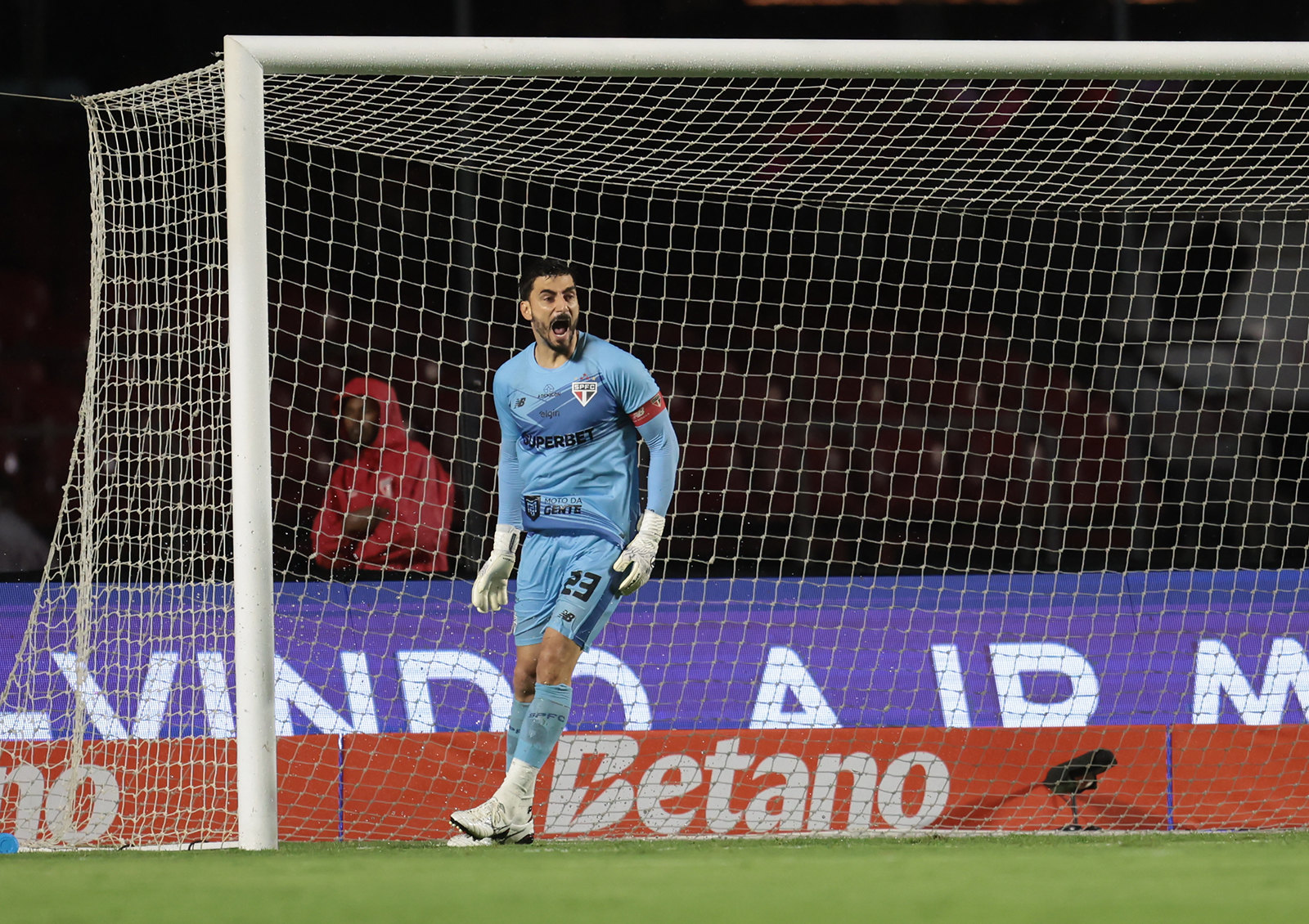
São Paulo’s Paulistão Campaign Derailed by Portuguesa Defeat: A Tactical Breakdown
The 2026 Paulistão season has already thrown up its fair share of surprises, and São Paulo’s recent defeat at the hands of Portuguesa is undoubtedly one of the most significant. While pre-season expectations were high for O Tricolor Paulista, this loss exposes underlying issues within the squad and raises serious questions about their title aspirations. This analysis will delve into the tactical nuances of the match, highlighting the key areas where São Paulo faltered and exploring the potential ramifications for their campaign.
Initial Formations and Tactical Approaches
Rogério Ceni, known for his tactical flexibility, opted for a 4-3-3 formation, aiming to control possession and dominate the midfield. The lineup featured a blend of experienced players and promising youth academy graduates, a strategy Ceni has consistently employed. Portuguesa, under the guidance of their coach, adopted a more pragmatic 4-4-2, prioritizing defensive solidity and looking to exploit São Paulo’s vulnerabilities on the counter-attack. Their game plan was clear: frustrate São Paulo’s attacking efforts and capitalize on any defensive errors.
Defensive Frailties Exposed
São Paulo’s defensive performance was arguably the most concerning aspect of the match. Throughout the game, they displayed a lack of cohesion and organization, particularly in dealing with Portuguesa’s direct attacks. The central defensive partnership struggled to contain Portuguesa’s forwards, often finding themselves out of position and vulnerable to through balls. The full-backs were also caught out of position on several occasions, leaving the defense exposed to crosses and cutbacks. This defensive instability was a recurring theme throughout the match and ultimately proved to be their undoing.
Specifically, Portuguesa’s first goal highlighted São Paulo’s defensive shortcomings. A long ball over the top caught the defense square, allowing the Portuguesa striker to latch onto the pass and finish clinically past the goalkeeper. The lack of communication and awareness between the defenders was evident, demonstrating a clear breakdown in the defensive structure. The second goal stemmed from a poorly defended set-piece, further emphasizing São Paulo’s vulnerability in dead-ball situations. This is an area that Ceni will undoubtedly need to address urgently in training.
Midfield Battle Lost
While São Paulo aimed to control the midfield, Portuguesa effectively disrupted their rhythm and prevented them from dictating the tempo of the game. Portuguesa’s midfield was compact and disciplined, effectively closing down spaces and pressing São Paulo’s midfielders relentlessly. This stifled São Paulo’s creativity and forced them to rely on long balls, which Portuguesa’s defense comfortably dealt with. The midfield battle was crucial in determining the outcome of the match, and Portuguesa’s dominance in this area played a significant role in their victory.
The São Paulo midfield trio, usually a source of creativity and dynamism, struggled to impose themselves on the game. Their passing was often inaccurate, and they lacked the urgency and intensity required to break down Portuguesa’s stubborn resistance. Furthermore, they failed to provide adequate cover for the defense, leaving them exposed to counter-attacks. The absence of a dominant figure in midfield, capable of winning tackles and dictating play, was keenly felt. This is an area where São Paulo needs to strengthen if they are to compete effectively in the Paulistão.
Attacking Inefficiency
Despite having a wealth of attacking talent, São Paulo struggled to create clear-cut chances and convert them into goals. Their attacking play lacked fluidity and imagination, and they often resorted to aimless crosses into the box, which Portuguesa’s defense comfortably cleared. The forwards were isolated and struggled to link up effectively, lacking the support and service they needed to make an impact. This attacking inefficiency was a major factor in their defeat.
The wingers, usually a source of width and creativity, failed to trouble Portuguesa’s full-backs. Their dribbling was predictable, and their crosses were often inaccurate. The central striker, despite his best efforts, was starved of service and struggled to find space in the crowded penalty area. The lack of a cutting edge in attack was evident, and São Paulo needs to find a way to unlock their attacking potential if they are to turn their season around.
Rogério Ceni’s Tactical Adjustments
Recognizing the team’s struggles, Rogério Ceni made a couple of tactical adjustments in the second half, introducing fresh legs and attempting to inject more pace and creativity into the attack. He switched to a more attacking formation, pushing more players forward in search of an equalizer. However, these changes failed to have the desired impact, as Portuguesa remained resolute in defense and continued to frustrate São Paulo’s attacking efforts.
Ceni’s substitutions, while intended to revitalize the team, ultimately proved ineffective. The players brought on failed to make a significant impact, and the team’s overall performance remained disjointed. This raises questions about the depth of the squad and the ability of the substitutes to change the course of the game. Ceni needs to carefully evaluate his options and find a formula that allows him to effectively utilize his squad depth.
The Role of Youth Players
Rogério Ceni has consistently shown a willingness to integrate youth players into the first team, and several academy graduates featured in the match against Portuguesa. While some of these youngsters showed glimpses of promise, they ultimately lacked the experience and composure to make a significant impact on the game. The pressure of playing in a high-stakes match against a well-organized opponent proved to be a challenge for them.
Developing youth players is crucial for the long-term success of any club, but it is important to strike a balance between giving them opportunities and protecting them from being exposed in difficult situations. Ceni needs to carefully manage the integration of youth players into the first team, ensuring that they are given the support and guidance they need to thrive. This requires patience and a long-term vision, but it is essential for building a sustainable and successful team.
Looking Ahead: Challenges and Opportunities
The defeat against Portuguesa serves as a wake-up call for São Paulo, highlighting the areas where they need to improve if they are to compete for the Paulistão title. The defensive frailties need to be addressed urgently, and the midfield needs to be strengthened. The attacking play needs to be more fluid and creative, and the team needs to find a way to unlock their attacking potential. Rogério Ceni faces a significant challenge in turning things around, but he has the tactical acumen and experience to do so.
The Paulistão is a long and demanding competition, and there is still plenty of time for São Paulo to recover from this setback. However, they need to learn from their mistakes and address their weaknesses quickly. The upcoming matches will be crucial in determining their title aspirations, and they need to show a significant improvement in their performance if they are to get back on track. The pressure is on Rogério Ceni and his players to deliver, and they need to respond with a positive and determined attitude.
Potential Tactical Adjustments for Future Matches
To address the issues highlighted in this analysis, Rogério Ceni could consider a few tactical adjustments for future matches. Firstly, he could experiment with a different defensive formation, perhaps a 3-5-2, to provide more defensive stability and cover for the full-backs. This would allow the wing-backs to push forward and contribute to the attack, while the three central defenders would provide a solid defensive base.
Secondly, Ceni could look to strengthen the midfield by introducing a more defensive-minded player, capable of winning tackles and protecting the defense. This would provide more cover for the defense and allow the more creative midfielders to focus on their attacking duties. A more balanced midfield would also help to control the tempo of the game and prevent the opposition from dominating possession.
Finally, Ceni could experiment with different attacking combinations, perhaps by playing two strikers upfront or by introducing a more creative player in the number ten role. This would add more dynamism and unpredictability to the attack and make it more difficult for the opposition to defend against. A more varied attacking approach would also help to unlock the team’s attacking potential and create more goal-scoring opportunities.
Conclusion
São Paulo’s defeat against Portuguesa was a disappointing result that exposed several underlying issues within the squad. The defensive frailties, midfield struggles, and attacking inefficiency all contributed to their downfall. Rogério Ceni faces a significant challenge in turning things around, but he has the tactical acumen and experience to do so. The upcoming matches will be crucial in determining their title aspirations, and they need to show a significant improvement in their performance if they are to get back on track. The Paulistão is a long and demanding competition, and there is still plenty of time for São Paulo to recover from this setback, but they need to learn from their mistakes and address their weaknesses quickly.
FAQ
What were the main tactical reasons for São Paulo’s defeat against Portuguesa?
São Paulo’s defeat stemmed from a combination of factors: defensive vulnerabilities, a midfield battle lost, and attacking inefficiency. Defensively, they lacked organization and were susceptible to long balls and set-pieces. The midfield failed to control the game, and the attack lacked creativity and cutting edge.
How did Portuguesa’s tactics contribute to their victory?
Portuguesa executed a well-defined game plan, prioritizing defensive solidity and exploiting São Paulo’s weaknesses on the counter-attack. Their compact midfield disrupted São Paulo’s rhythm, and their forwards capitalized on defensive errors. They were disciplined and organized, frustrating São Paulo’s attacking efforts.
What changes can Rogério Ceni make to improve São Paulo’s performance in future matches?
Ceni could consider several tactical adjustments, including experimenting with a 3-5-2 defensive formation for more stability, introducing a defensive-minded midfielder to protect the defense, and exploring different attacking combinations to unlock the team’s attacking potential.
How important is the role of youth players in São Paulo’s long-term success?
Developing youth players is crucial for São Paulo’s long-term success. However, it’s important to strike a balance between giving them opportunities and protecting them from being exposed in difficult situations. Ceni needs to manage their integration carefully, providing support and guidance.
What are the biggest challenges facing São Paulo in the remainder of the Paulistão season?
The biggest challenges include addressing the defensive frailties, strengthening the midfield, and improving the attacking play. They need to find a way to unlock their attacking potential and become more consistent in their performances. The mental fortitude of the team will also be tested.
How does this defeat impact São Paulo’s chances of winning the Paulistão?
While a setback, this defeat doesn’t eliminate São Paulo’s chances entirely. The Paulistão is a long competition. However, they need to learn from their mistakes, address their weaknesses quickly, and show a significant improvement in their upcoming matches to remain competitive.