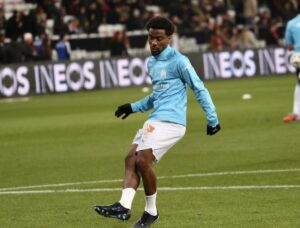
Wrexham’s Tactical Approach to Managing Liberato Cacace After Injury

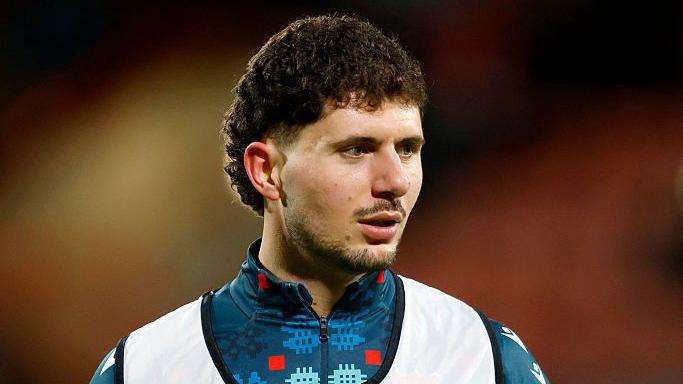
Wrexham’s Prudent Approach to Cacace’s Return: A Tactical Examination
Liberato Cacace, the New Zealand international wing-back, is a crucial component of Phil Parkinson’s Wrexham side. Following a recent injury layoff, the club is employing a carefully orchestrated strategy to reintegrate him into the first team, balancing his undeniable talent with the need to protect his long-term fitness. This article will delve into the tactical considerations underpinning Wrexham’s management of Cacace, examining his role in the team, the potential risks of rushing him back, and the alternative approaches Parkinson is utilizing to maintain squad performance.
Cacace’s Importance to Wrexham’s System
Cacace’s importance to Wrexham extends beyond his defensive capabilities. His energy and dynamism on the left flank are vital to the team’s attacking play. Primarily deployed as a left wing-back in Parkinson’s preferred 5-3-2 or 3-5-2 formation, Cacace provides width and attacking impetus, frequently overlapping with the left-sided central midfielder and forward. His crossing ability, though still developing, adds another dimension to Wrexham’s attacking arsenal. Defensively, his pace allows him to recover quickly and track back, providing crucial cover against opposition wingers. His tackling and work rate are also significant assets. He is known for his ability to win the ball back high up the pitch, turning defense into attack in an instant.
The tactical flexibility that Cacace brings is also key. While primarily a wing-back, he can also operate as a more traditional left-back in a 4-4-2 or 4-3-3 formation, providing Parkinson with options to adapt his system based on the opposition. His versatility makes him an invaluable asset, especially in a demanding League One season.
The Risks of a Premature Return
Rushing a player back from injury, particularly a muscle injury as often affects wing-backs, carries significant risks. A premature return can lead to re-injury, potentially sidelining the player for an even longer period. This is especially pertinent for a player like Cacace, whose game relies on explosive bursts of pace and constant movement. A re-injury could not only impact his immediate availability but also potentially affect his long-term performance and confidence. The physical demands of League One, with its relentless schedule and often physical style of play, necessitate a cautious approach. The risk of aggravating an existing injury is significantly higher when players are not fully recovered and conditioned.
Beyond the physical risks, there are also psychological considerations. A player returning from injury may lack confidence in their body, hesitant to make tackles or sprints at full speed. This can affect their performance and impact the team’s overall effectiveness. Parkinson is likely aware of these factors and is taking a measured approach to ensure Cacace is both physically and mentally ready to return to full action.
Wrexham’s Tactical Alternatives and Rotation Policy
Recognizing the need to manage Cacace’s workload, Parkinson has implemented a rotation policy, utilizing other players in the left wing-back position. This serves two primary purposes: it allows Cacace to gradually build up his fitness without being overburdened, and it provides opportunities for other squad members to gain valuable playing time and experience.
One potential alternative is deploying a more defensively-minded player at left wing-back, particularly in games where Wrexham anticipates facing a strong attacking threat on that flank. This would provide added defensive solidity and allow Cacace to be introduced later in the game, when his energy and attacking prowess can be more impactful. Another option is to adjust the formation, perhaps switching to a 4-4-2 with a more traditional left-back, providing a more balanced approach. This tactical flexibility is a hallmark of Parkinson’s management style, allowing him to adapt to different opponents and game situations.
The specific player chosen to fill in for Cacace depends on the tactical requirements of the match. For instance, if Wrexham needs a more defensively solid option, a full-back known for their tackling and positional awareness might be preferred. If the focus is on maintaining attacking width and crossing ability, a winger converted to wing-back could be considered. Parkinson’s ability to assess the strengths and weaknesses of his squad and make informed decisions is crucial in effectively managing Cacace’s return.
Analyzing Cacace’s Performance Metrics Post-Injury
While concrete post-injury performance data is unavailable without a specific match timeline, we can examine the metrics that will be crucial in assessing Cacace’s progress. Key indicators include distance covered per game, number of sprints, tackling success rate, and crossing accuracy. A gradual increase in distance covered and number of sprints would suggest that his fitness is improving. Maintaining or exceeding his pre-injury tackling success rate would indicate that his confidence in challenges remains high. And improvements in crossing accuracy would demonstrate that his technical skills have not been negatively impacted.
Monitoring these metrics will provide valuable insights into Cacace’s physical and technical readiness. The coaching staff will likely use GPS tracking data and video analysis to assess his performance in training and matches, making informed decisions about his playing time and workload. This data-driven approach is becoming increasingly prevalent in modern football, allowing teams to optimize player performance and minimize the risk of injury.
The Psychological Aspect of Recovery
The mental side of returning from injury is just as important as the physical. Players can experience anxiety and a lack of confidence, impacting their performance. Parkinson will likely be working closely with Cacace to ensure he feels supported and confident in his body. This may involve individual training sessions, psychological support, and open communication to address any concerns. Building Cacace’s confidence is crucial for him to regain his pre-injury form and contribute effectively to the team. Regular feedback and encouragement from the coaching staff can play a significant role in this process.
The Long-Term Strategy for Cacace
Wrexham’s management of Cacace extends beyond his immediate return to the team. The club will be focused on developing a long-term strategy to maintain his fitness and maximize his performance throughout the season. This may involve a tailored training program, regular physiotherapy sessions, and careful monitoring of his workload. The goal is to ensure that Cacace remains a key player for Wrexham for years to come. Investing in his long-term well-being is a priority, recognizing his value to the team both on and off the pitch.
Furthermore, the club will be mindful of Cacace’s international commitments with New Zealand. Balancing his club duties with his national team responsibilities requires careful planning and communication to avoid overexertion and minimize the risk of injury. This collaborative approach is essential for ensuring that Cacace remains in peak condition for both Wrexham and his country.
In conclusion, Wrexham’s approach to managing Liberato Cacace’s return from injury is a testament to their commitment to player welfare and tactical planning. By carefully assessing the risks, utilizing alternative options, and monitoring his performance, the club is ensuring that Cacace can contribute effectively to the team’s success while protecting his long-term fitness. This prudent and strategic approach is a key factor in Wrexham’s ambition to establish themselves as a competitive force in League One.
FAQ Section
Why is Wrexham being so cautious with Liberato Cacace’s return from injury?
Wrexham is taking a cautious approach to Liberato Cacace’s return to prevent re-injury. His position as a wing-back demands explosive movements and high intensity, making him susceptible to further setbacks if rushed back too quickly. The club prioritizes his long-term fitness and contribution to the team.
What tactical alternatives does Phil Parkinson have in Cacace’s absence?
Parkinson can utilize several tactical alternatives. He might deploy a more defensively-minded player at left wing-back for added solidity, switch to a 4-4-2 formation with a traditional left-back, or even use a winger in the wing-back role to maintain attacking width. The specific choice depends on the opponent and game plan.
How will Wrexham monitor Cacace’s performance and fitness post-injury?
Wrexham will monitor Cacace’s performance through various metrics, including distance covered, sprint count, tackling success rate, and crossing accuracy. GPS tracking data and video analysis will provide insights into his physical and technical readiness. The coaching staff will use this information to adjust his training and playing time accordingly.
What role does psychological support play in Cacace’s recovery?
Psychological support is crucial for Cacace’s recovery. Returning from injury can lead to anxiety and a lack of confidence. The club will provide support to address any concerns and build his confidence, ensuring he feels mentally ready to perform at his best.
How does Wrexham balance Cacace’s club duties with his international commitments?
Wrexham balances Cacace’s club duties with his international commitments through careful planning and communication. The club works with the New Zealand national team to manage his workload and minimize the risk of overexertion and injury. This collaborative approach ensures he remains in peak condition for both Wrexham and his country.